


Are you an international student looking to further your education in the USA? With a world-renowned reputation for its high-quality universities and colleges, the United States of America is a popular destination for students worldwide. But what’s it like to study in the USA? And what should you know before you embark on your journey? In this blog post, I will provide a comprehensive guide for international students seeking to study in the USA, giving you all the information you need to make the most of your experience. Since I have gone through this process, I will give you insight into the most important things you need to know. Fasten your seatbelts; we are preparing for take-off.
1. CHOOSING THE RIGHT COLLEGE
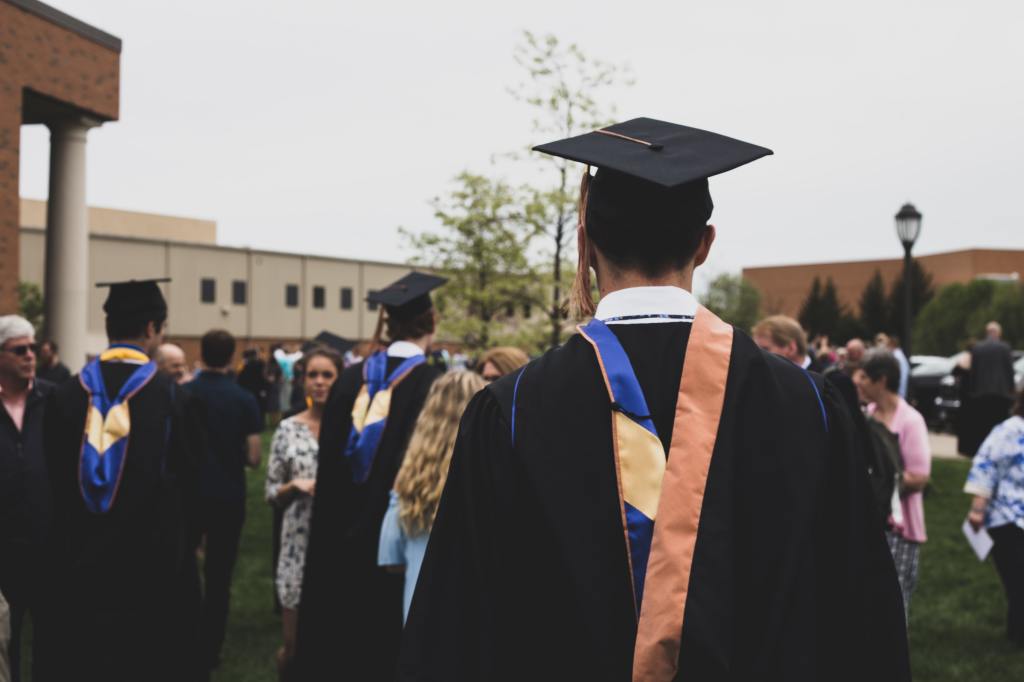
The first step in your journey to studying in the USA is choosing the right school. With so many universities and colleges, deciding which is best for you can be overwhelming. Some of the factors you should consider when making your decision include the location of the school, the cost of tuition and living expenses, the school’s reputation, and the programs offered. You should also research the admission requirements and deadlines for each school you are interested in to ensure you have enough time to prepare your application.

Also, some very important factors are divided into the two most important branches. The first is athletic; the second is academic. If you belong to the first side, your path will most likely go by looking for colleges that offer your sport. Although I chose water polo, some of the sports that are very popular and represented at American colleges are, of course, football (American football), basketball, baseball, tennis, soccer, and volleyball… If you have found a college that suits you, get in touch with the coach who is in charge of that sport. This makes things easier because you don’t go directly through the administration but are “privileged” through the coach’s selection and recommendation. In conversations with the coach, you will be able to find out all the information and what will interest you the most – the amount of tuition he can offer you. Keep in mind that coaches receive a certain number of scholarships that they have to distribute to the entire team.

As far as the academic factor is concerned, things are much more similar to what I described in the introduction of this bullet point. Once you have narrowed your scholarship options, you must complete the online application form. Most universities require an essay, so be sure to provide a clear and compelling argument to stand out from other applicants. Additionally, you will need to provide a copy of your transcripts and other academic records to prove that you are a top student. Finally, you must make sure to meet the deadlines when applying for an academic scholarship. Since competition can be stiff, you should submit your application as early as possible. With careful planning and timely submission, you can increase your chances of securing an academic scholarship and getting the financial support you need to pursue your college education.
2. APPLYING FOR ADMISSION
The admission process requires a lot of preparation and effort, and it is important to ensure you provide the best information possible. You will need to submit your transcripts, letters of recommendation, and a personal essay to each of the schools you are applying to. Additionally, you should review the application instructions carefully, as this will help you make sure you provide all of the necessary information and avoid any mistakes that could negatively affect your application. Finally, it is important to make sure you submit your application before the deadline to give yourself the best chance of getting accepted. You can check all the admission dates and forms on your college’s admission portal and website.

3. OBTAINING A STUDENT VISA
Okay, if you thought you had much to do with paperwork when applying for admission, know that you didn’t. After being accepted to a school in the USA, you will need to obtain a student visa. There are two types of student visas: F-1 visas for academic studies and M-1 visas for vocational studies. You will need to apply for your visa at a US embassy or consulate in your home country, and the process can take several weeks or even months. Make sure you have all the necessary documents and information before you apply to avoid any delays.
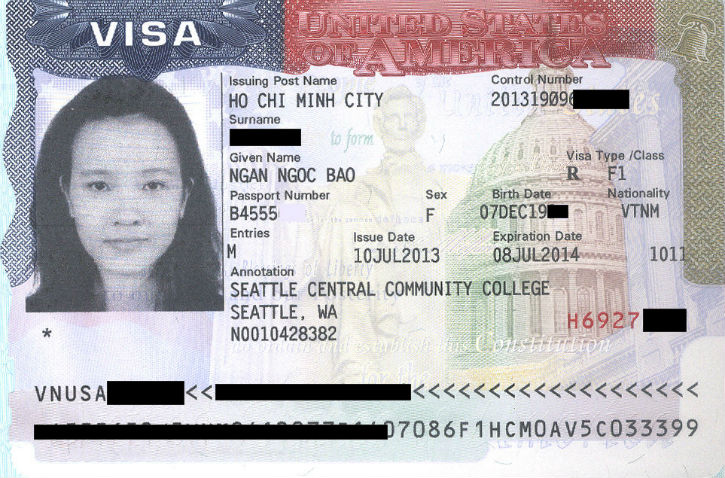
The F1 Visa process is an important and complicated process to gain legal entry into the United States. It is a two-step process that begins with the application for a nonimmigrant visa and ends with your admittance into the United States. The first step is to complete the application forms, including a visa application form, fee payment, and passport photos. You must also provide evidence of financial resources to cover study costs in the United States. Once the application is complete and approved, you will receive a visa interview appointment at the US Embassy or Consulate. During the interview, you will be asked questions about your educational background, English proficiency, and financial resources. You should also bring evidence that you have the resources necessary to cover the costs of studying in the United States. After the interview, you will receive the F1 Visa and be allowed to enter the United States. Once in the United States, you will be required to attend school and must maintain your status. You must also contact the school and your Designated School Officer and comply with all visa regulations.
4. PLANNING YOUR ARRIVAL
Congrats, you are almost there! Before you arrive in the USA, you should plan for your transportation, accommodation, and living expenses. You must find a place to live, buy health insurance, and open a bank account. It’s also a good idea to research where you will be living and learn about local customs and culture. You may experience culture shock when you first arrive, so being prepared is essential. Let me guide you briefly so you know what to expect.
Transportation
You should plan your route from the airport to your accommodation before you depart for the United States. Public transit choices may be available, such as buses, trains, or subways, depending on the city you are visiting. Alternatively, you could use ride-sharing services like Uber or Lyft or take a taxi. Plan your transportation after doing some research on the choices in your region. Also, you can contact one of your teammates or a coach so they can organize it for you or pick you up.

Accommodation
Another crucial you must do before arriving in the States is find a place to reside. International students can live on campus at certain universities but not others. You will need to arrange lodging on your own if your university does not offer to house; this might be an apartment or a room. You may use websites like Craigslist, Zillow, and Apartments.com to look for lodging in the region. Be sure you properly study the lease agreement and comprehend the terms and circumstances before renting a place. Also, discuss this with your coach. It is also his responsibility to help you with finding proper accommodation!

Living Expenses
Living expenses in the USA can be high, and you need to budget accordingly. You will need to pay for rent, food, utilities, transportation, and other expenses. Make a list of your monthly expenses and create a budget. You can use apps like Mint or You Need a Budget to help you keep track of your expenses and manage your finances. Also, be prepared to spend more money at the beginning. Do not be worried; it is completely normal. Being new to the environment makes you pay more for some things for the first time than you would normally. As time goes on, you will see where you can save money and what you really need.

Health Insurance
Healthcare in the USA is expensive, and you need to have health insurance to cover medical costs. Many universities require international students to have health insurance, and they may offer a student health insurance plan. If your university does not offer health insurance, you will need to purchase a plan on your own. Websites like eHealthInsurance.com and InsureMyTrip.com can help you compare health insurance plans and find one that fits your needs. Also, since you are a student, your school will probably provide you with a link for international insurance that will be part of your tuition and fees.

Bank Account
To effectively manage your funds, you must have a bank account in the United States. You may open a bank account with a local bank or credit union. You must present your passport, necessary visas, and, if applicable, your Social Security number. A minimum deposit may also be needed to open an account with some banks. Also, bring your I-20 (a document you get from school that proves your student status; a visa is only for entrance, afterward, it is not your status document).

CONCLUSION
Being an international student studying in the USA may be an enriching and transformative experience. The steps outlined in this guide can make it simpler to navigate the application and adjustment processes, which can be challenging. You will have the chance to develop personally and generate priceless experiences if you put in the time and effort required to achieve this shift. You may make the most of this special event and start a road of personal development if you have the correct mindset and are prepared.




 Pavle Ristić
Leave a comment