

Enron Corporation was once considered a darling of Wall Street, with its meteoric rise to the top of the energy industry and its seemingly unstoppable profits. But as the saying goes, what goes up must come down. And come down, it did, spectacularly, with Enron’s bankruptcy in 2001 marking one of the biggest corporate collapses in history. The company’s fall from grace shocked investors, employees, and the general public alike, and its aftermath had far-reaching consequences for the world of business and finance. In this blog post, we’ll take a closer look at the rise and fall of Enron, exploring the factors that led to its initial success and ultimate downfall.

ABOUT ENRON
More than two decades ago, there was a Houston-based energy company called Enron. Founded in 1985 by Kenneth Lay, Enron initially sold natural gas to utilities. However, in the 1990s, Enron began to expand into new markets, including energy trading and broadband services and quickly became one of the most innovative and successful companies of the time. Enron’s success was largely due to its aggressive accounting practices, which enabled the company to inflate its profits and hide its debts.
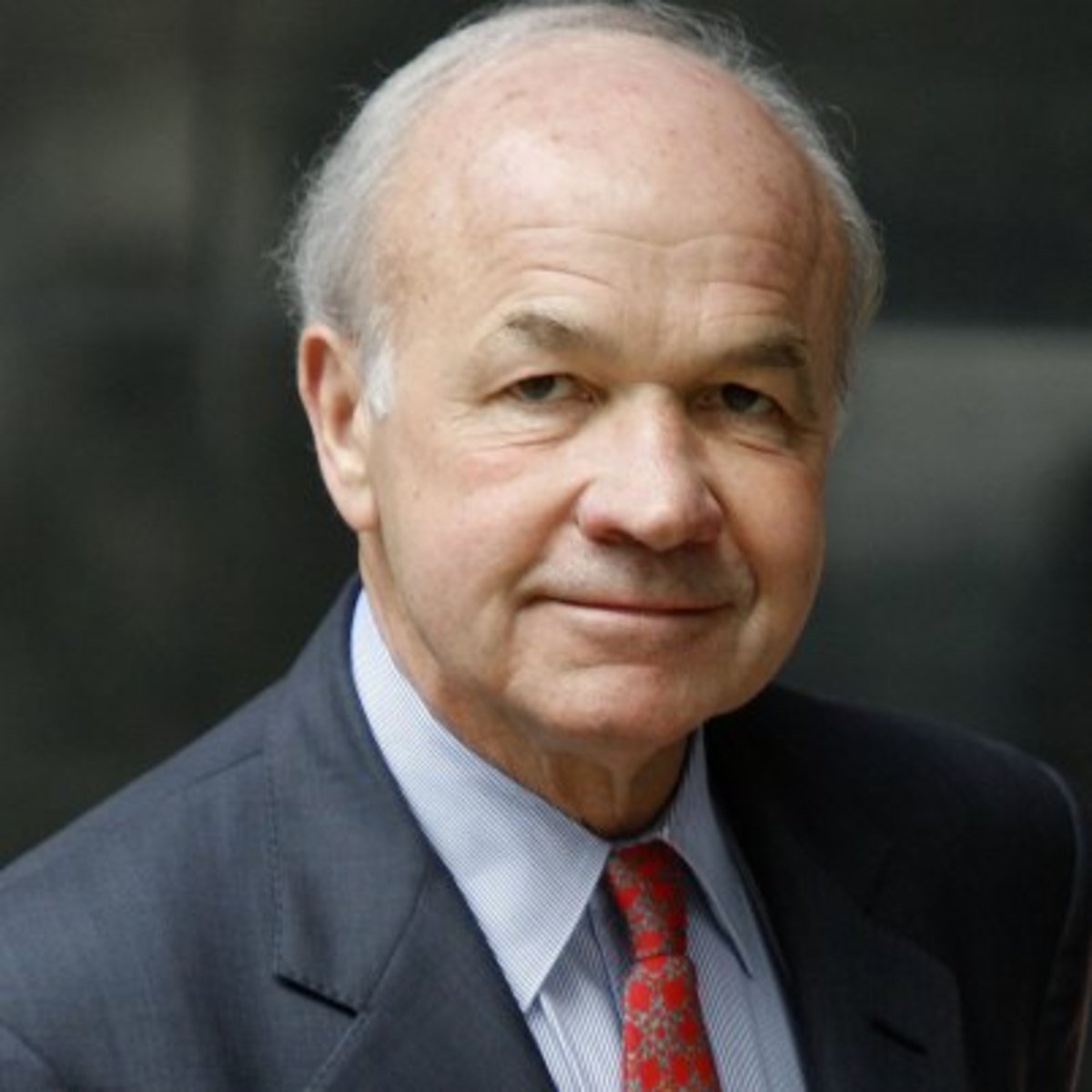
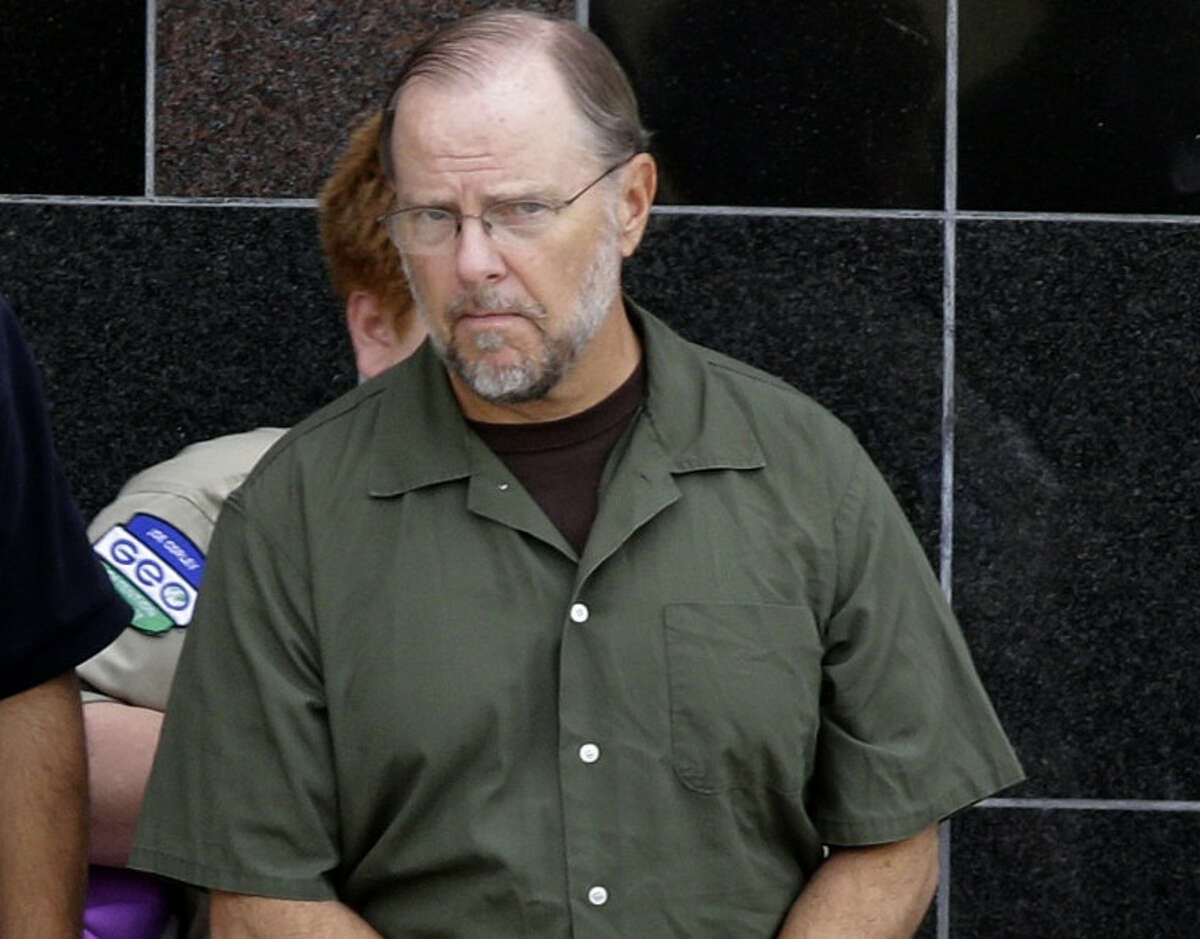
The company’s story, however, took a dark turn in 2001 when a series of revelations about its accounting practices began to surface. Enron’s stock price declined rapidly, and the company’s debts were exposed. Despite attempts to salvage the company’s reputation, Enron could not recover from the damage caused by the scandal. In December 2001, Enron filed for bankruptcy, making it the largest bankruptcy in U.S. history at the time. The scandal also led to criminal charges against several top Enron executives, including CEO Jeffrey Skilling and Chairman Kenneth Lay. The downfall of Enron had far-reaching consequences, including the creation of the Sarbanes-Oxley Act, which aimed to improve corporate accountability and prevent accounting fraud
ENRON’S TIMELINE
1985
Enron is formed by merging Houston Natural Gas and InterNorth.
1990s
Under the leadership of CEO Jeff Skilling, Enron expands into new markets, including energy trading and broadband services.
August 14, 2001
Enron’s stock reaches an all-time high of $90.56 per share.
October 16, 2001
Enron announced a $618 million loss for the third quarter and disclosed that it had overstated earnings for the past four years.
December 2, 2001
Enron filed for Chapter 11 bankruptcy protection, the largest corporate bankruptcy in U.S. history up to that time.
May 25, 2006
Enron founder and former CEO Kenneth Lay is found guilty of multiple counts of conspiracy and fraud. Jeff Skilling is also found guilty of multiple charges, including securities fraud and insider trading. Both are later sentenced to prison.
INSIDER TRADING
Picture this: you work hard, you invest your money, and you wait patiently for your investments to grow. Meanwhile, some big-shot executives at Enron are making a fortune – at your expense. These executives engaged in illegal insider trading, using non-public information to buy or sell securities and raking in profits while leaving you in the dark. Fortunately, justice prevailed, and the Securities and Exchange Commission investigated and prosecuted these white-collar criminals. Thanks to the Securities Exchange Act of 1934 and the Insider Trading and Securities Fraud Enforcement Act of 1988, Enron executives faced criminal charges and were held accountable for their actions. Don’t let your hard-earned money fall victim to illegal insider trading – know your rights and protect your investments.

THE SARBANES-OXLEY ACT
Do you ever wonder how companies keep their financial reports accurate and transparent? Back in the early 2000s, the Enron scandal and other financial scandals shocked the world and raised doubts about corporate governance and accountability. To address these concerns, the Sarbanes-Oxley Act was passed in 2002. The Act introduced reforms and regulations that required companies to establish an internal control framework to ensure the accuracy and integrity of their financial reporting.

It also created the Public Company Accounting Oversight Board to oversee the auditing of public companies and increased penalties for white-collar crimes. While some criticize the Act for imposing compliance costs on companies, it is widely regarded as an important step in restoring public trust in the financial system. With its emphasis on transparency and accountability, the Sarbanes-Oxley Act has transformed the accounting and auditing industries and changed the way companies do business.

JOB LOSSES
The Enron scandal was not just a financial catastrophe but also significant job losses that reverberated throughout the economy. With over 20,000 employees at its peak, Enron was a major employer, particularly in the skilled professions. But when the company collapsed due to fraudulent accounting practices, many employees suddenly became unemployed. And the impact didn’t stop there: suppliers, vendors, and other businesses also suffered from the loss of Enron’s business. Houston, where Enron was headquartered, was hit particularly hard by the job losses and economic fallout. The collapse of Enron serves as a stark reminder of the importance of corporate responsibility and the devastating consequences of unethical business practices.

CAUTIONARY TALE FOR COMPANIES
The Enron scandal is a stark reminder of the importance of ethics and compliance in business. To avoid the pitfalls that led to Enron’s collapse, companies must prioritize their responsibilities to shareholders, employees, and the broader community and strive for long-term success. A strong culture of ethics and compliance must be established, with clear policies and procedures for employees to follow. Following laws and regulations is paramount, and companies must ensure their financial reporting is accurate and transparent. But beyond mere compliance, companies can learn from Enron’s mistakes and prioritize ethical considerations to avoid similar scandals in the future. Doing so can mitigate the risk of legal and reputational damage, enhance their long-term value, and strengthen their relationships with stakeholders.

IMPLICATIONS FOR FUTURE BUSINESSES
- Prioritize ethical considerations.
- Strong internal controls/compliance protocols.
- Establish a culture of integrity & accountability.
- Transparency of financial records & operations.
- Invest in employee training & education.
A RECAP OF ENRON’S DOWNFALL


 Pavle Ristić
Leave a comment