
This blog post will be a kind of travelogue that will cover parts of western Serbia and Bosnia and in which I will try to show you the beauty of this part of the Balkans through descriptions and pictures. Starting from Mokra Gora to the historic cities of Višegrad, Sarajevo, and Mostar is like stepping into a tapestry woven with the threads of nature, culture, and history. This travelogue will take you through the enchanting landscapes, charming towns, and rich heritage that define this captivating route. Join me as we traverse the scenic routes, explore architectural wonders, and immerse ourselves in the diverse and vibrant tapestry of these Balkan gems. Get ready for a journey that unfolds the beauty and stories tucked away in every corner of Mokra Gora, Višegrad, Sarajevo, and Mostar.
Mokra Gora (Küstendorf/Drvengrad)
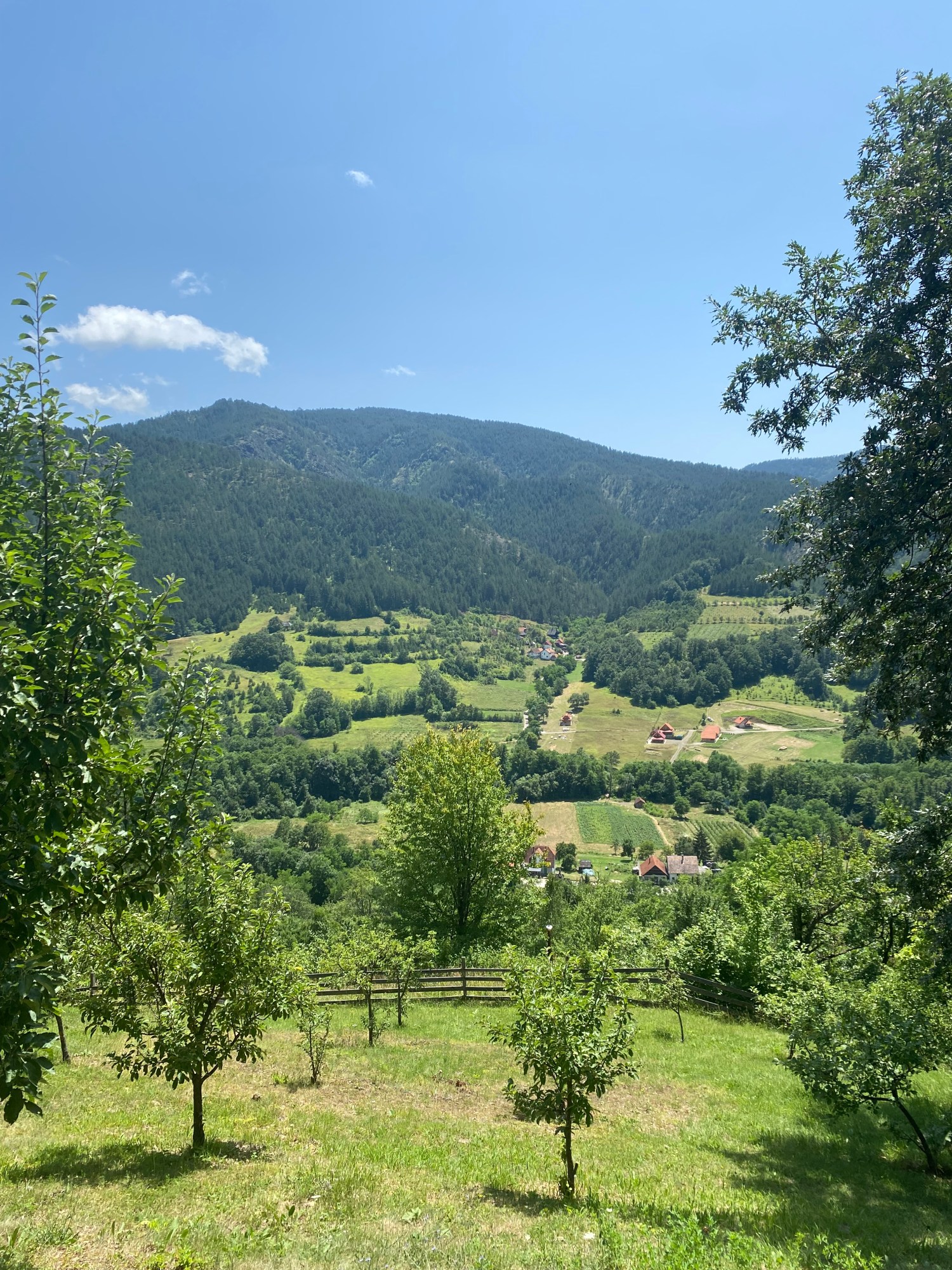
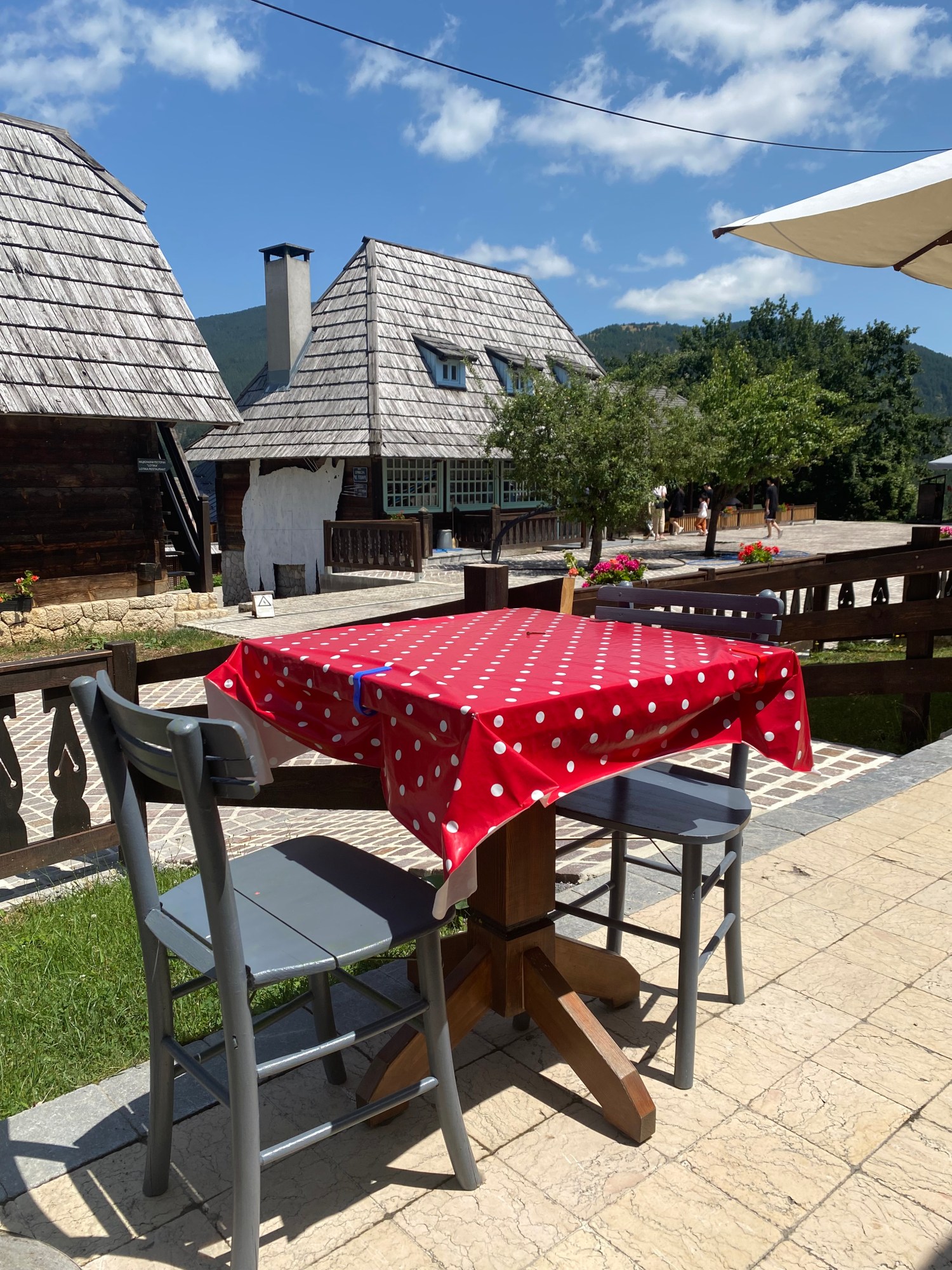
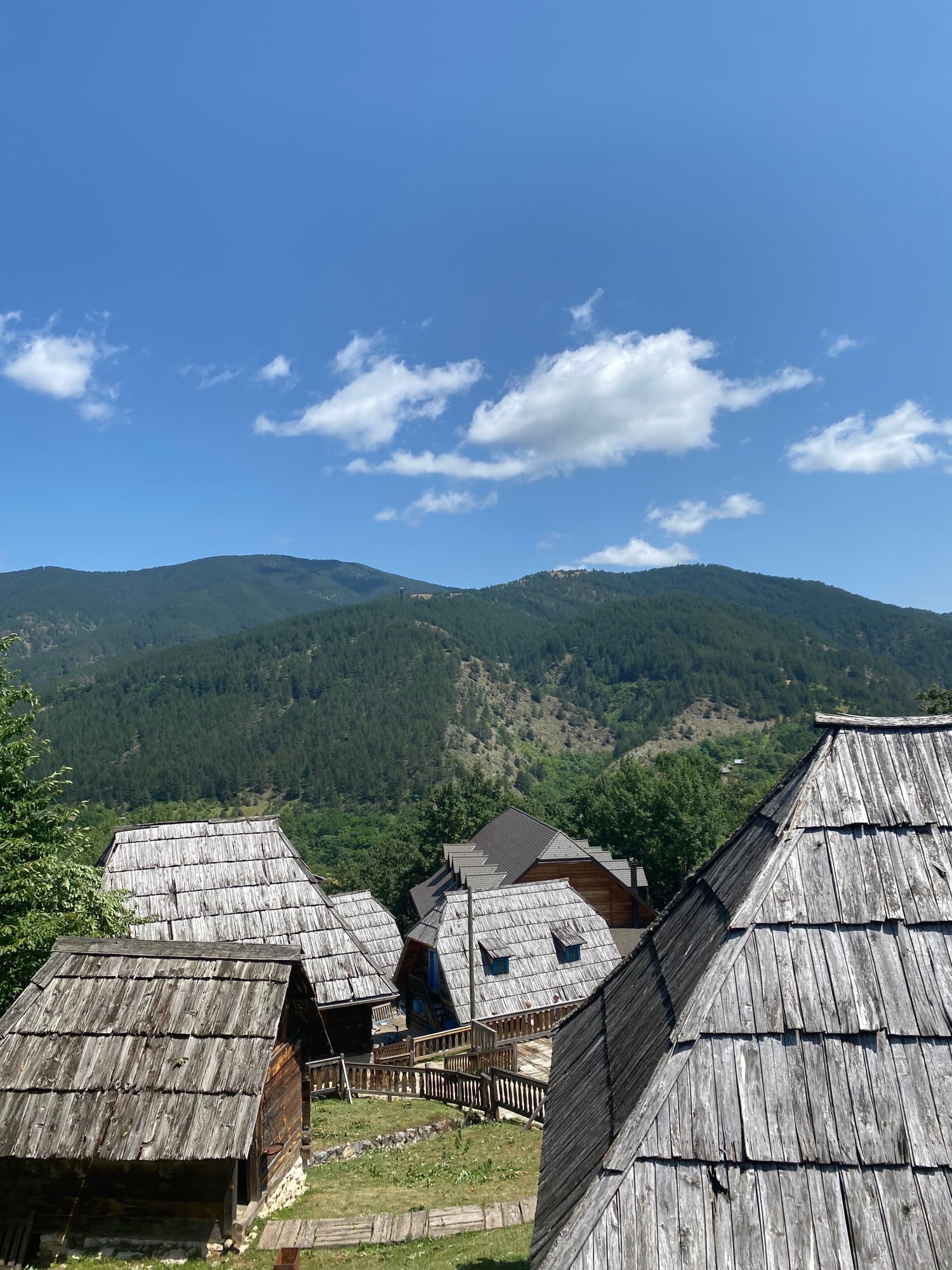
Drvengrad is a unique ethno-village envisioned and built by filmmaker Emir Kusturica. Drvengrad, also known as Küstendorf, is a charming wooden village that seems to have emerged from a fairytale. Its cobblestone streets, traditional wooden houses, and vibrant cultural ambiance create a surreal atmosphere. Visitors can explore the narrow alleys, visit the Wooden Cinema, and soak in the artistic and cultural essence that Drvengrad encapsulates. The combination of Mokra Gora’s natural beauty and Drvengrad’s artistic charm makes this destination a must-visit for those seeking a blend of scenic tranquility and cultural immersion. Also, one of the must-do things on Mokra Gora is taking a train ride along the Šargan eight, a 12km part of the narrow-gauge heritage railway.
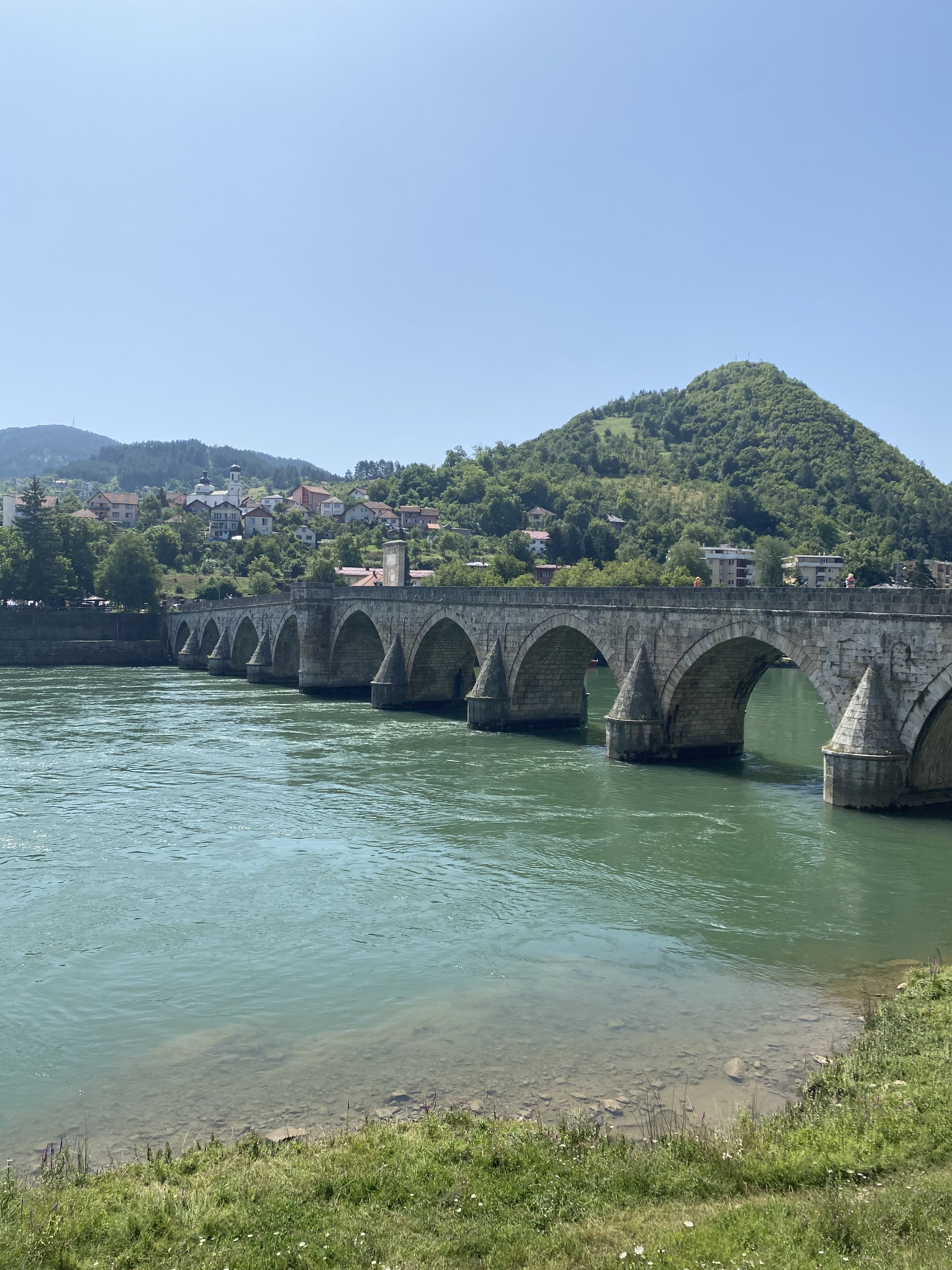
Višegrad (“The Bridge on the Drina”)
Višegrad is a picturesque town situated in Bosnia and Herzegovina, known for its rich cultural heritage and historical significance. This city is enivatable point for all novel lovers and travelers who enter Bosnia from Mokra Gora side. One of the key elements that adds to Višegrad’s prominence is its association with the renowned Yugoslav novelist and Nobel laureate, Ivo Andrić. Andrić’s novel “The Bridge on the Drina” is set in Višegrad and intricately weaves together the town’s history with the broader socio-political context of the region. The Mehmed Paša Sokolović Bridge, a UNESCO World Heritage Site, stands as a symbol of this literary masterpiece. Built during the Ottoman era, the bridge becomes a central motif in Andrić’s narrative, reflecting the passage of time and the complex interplay of cultures in the region. Visegrad, through Andrić’s lens, serves as a metaphorical bridge between different epochs and civilizations, making it a destination of cultural and historical significance for literature enthusiasts and visitors alike.

Sarajevo
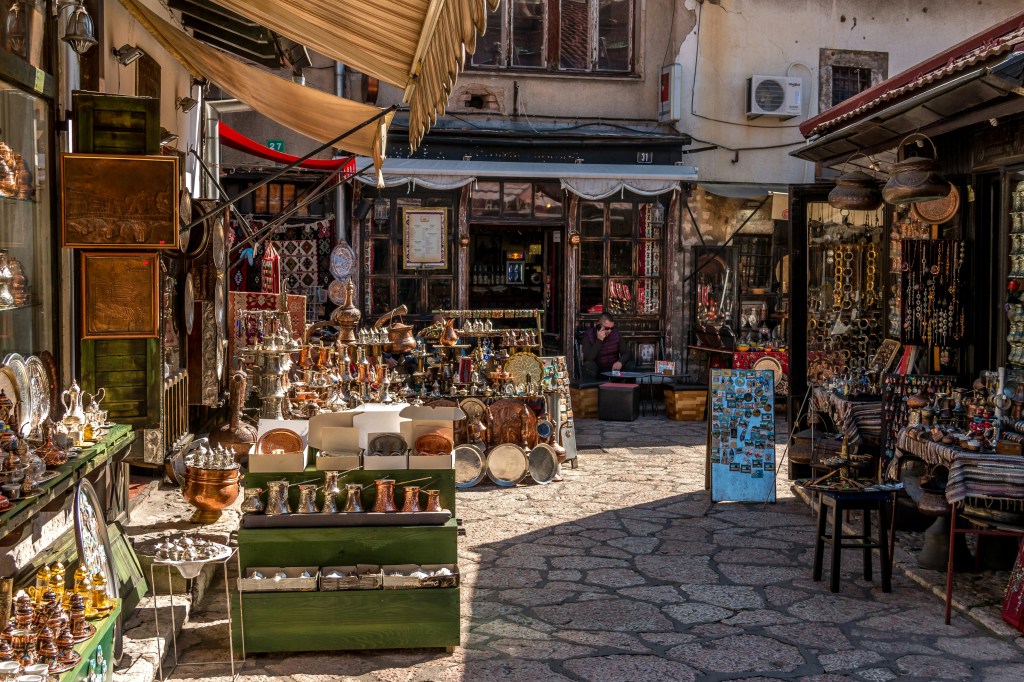
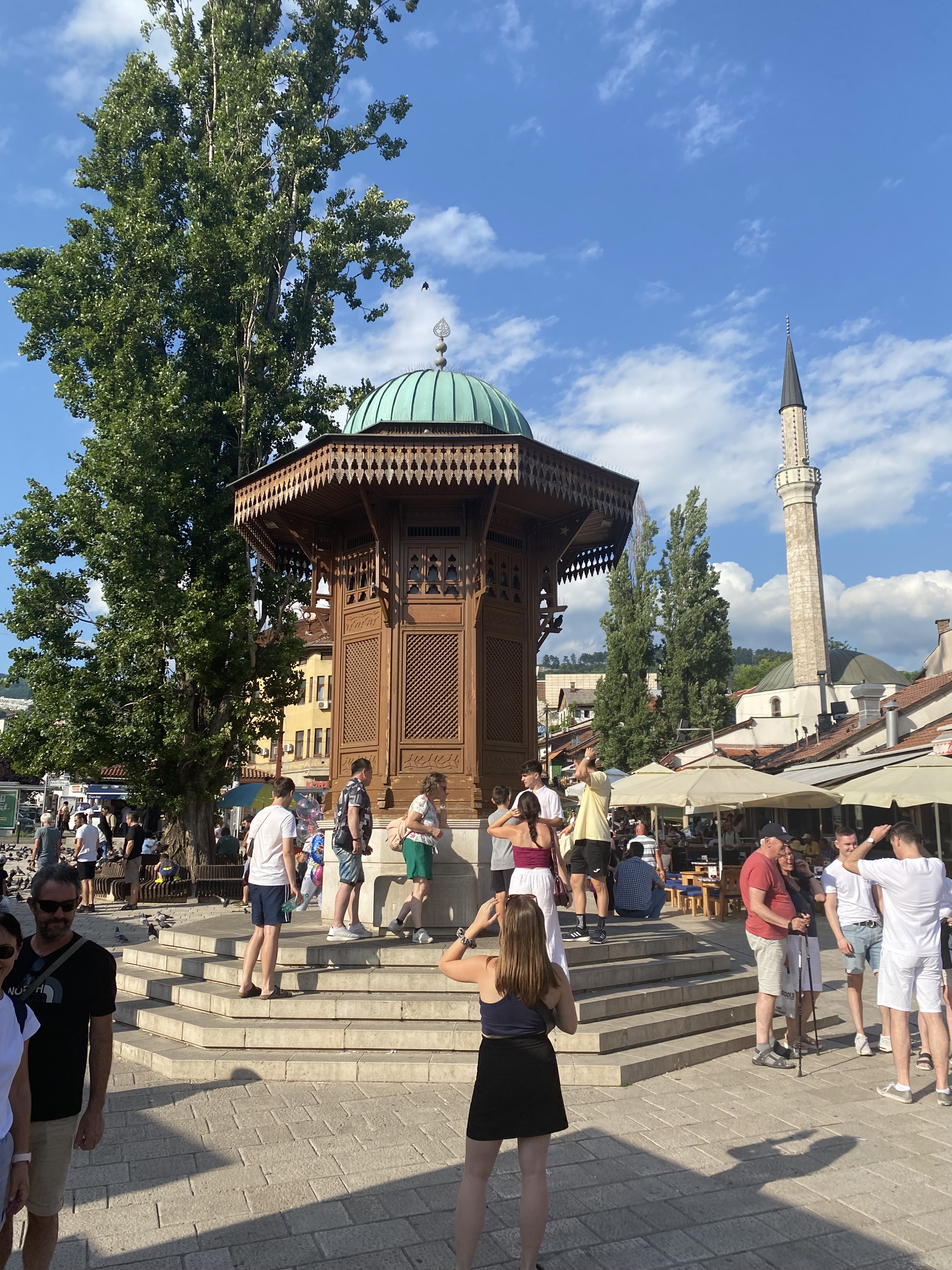
Sarajevo, the capital of Bosnia and Herzegovina, is a city steeped in history and cultural richness. At the heart of Sarajevo lies Baščaršija, the old bazaar and historical center, which dates back to the 15th century. This bustling marketplace is a vibrant tapestry of Ottoman architecture, narrow winding streets, and an array of shops and cafes. Baščaršija is not only a testament to Sarajevo’s Ottoman past but also serves as a cultural hub where locals and tourists alike can immerse themselves in the city’s unique atmosphere.
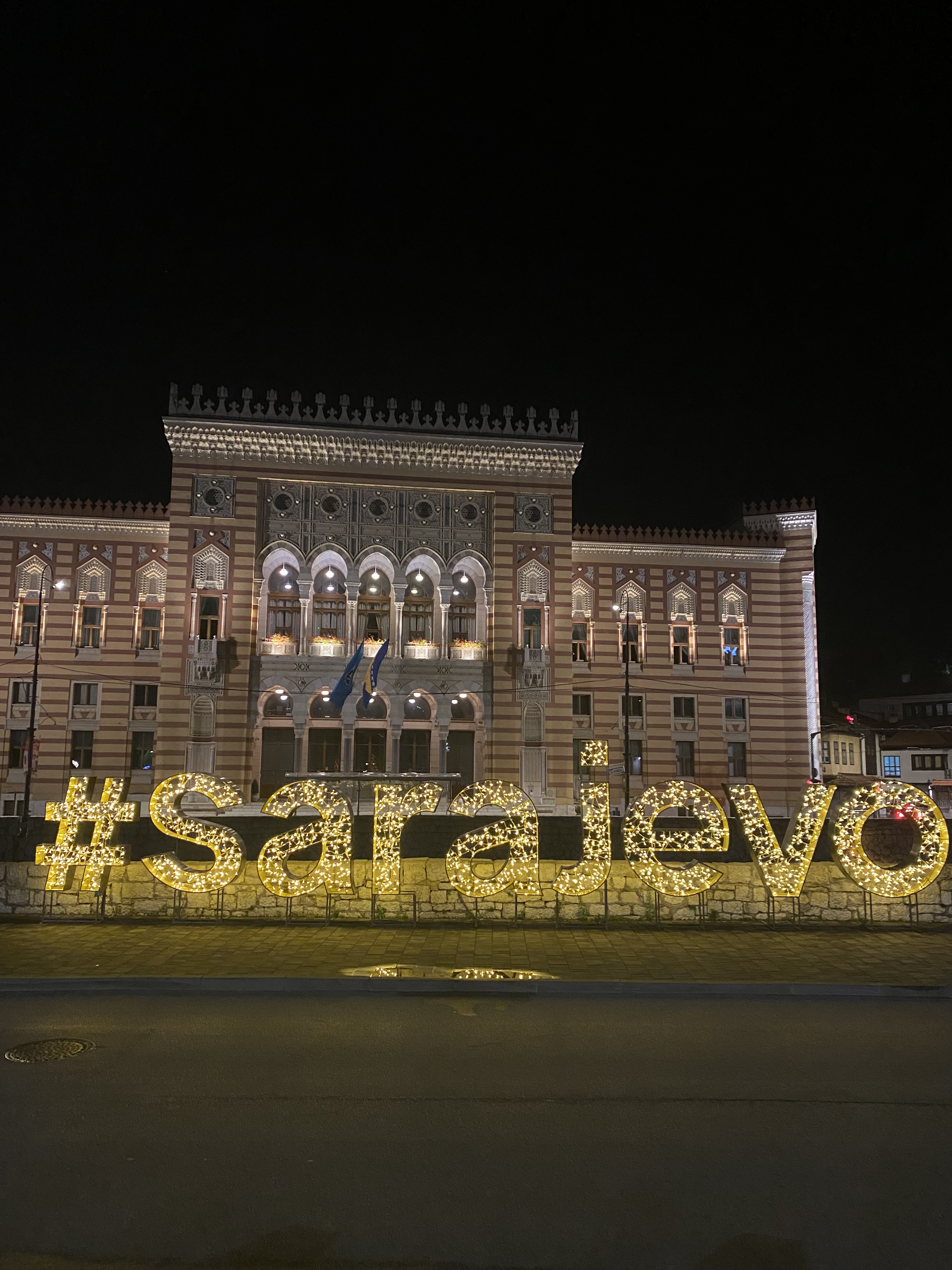


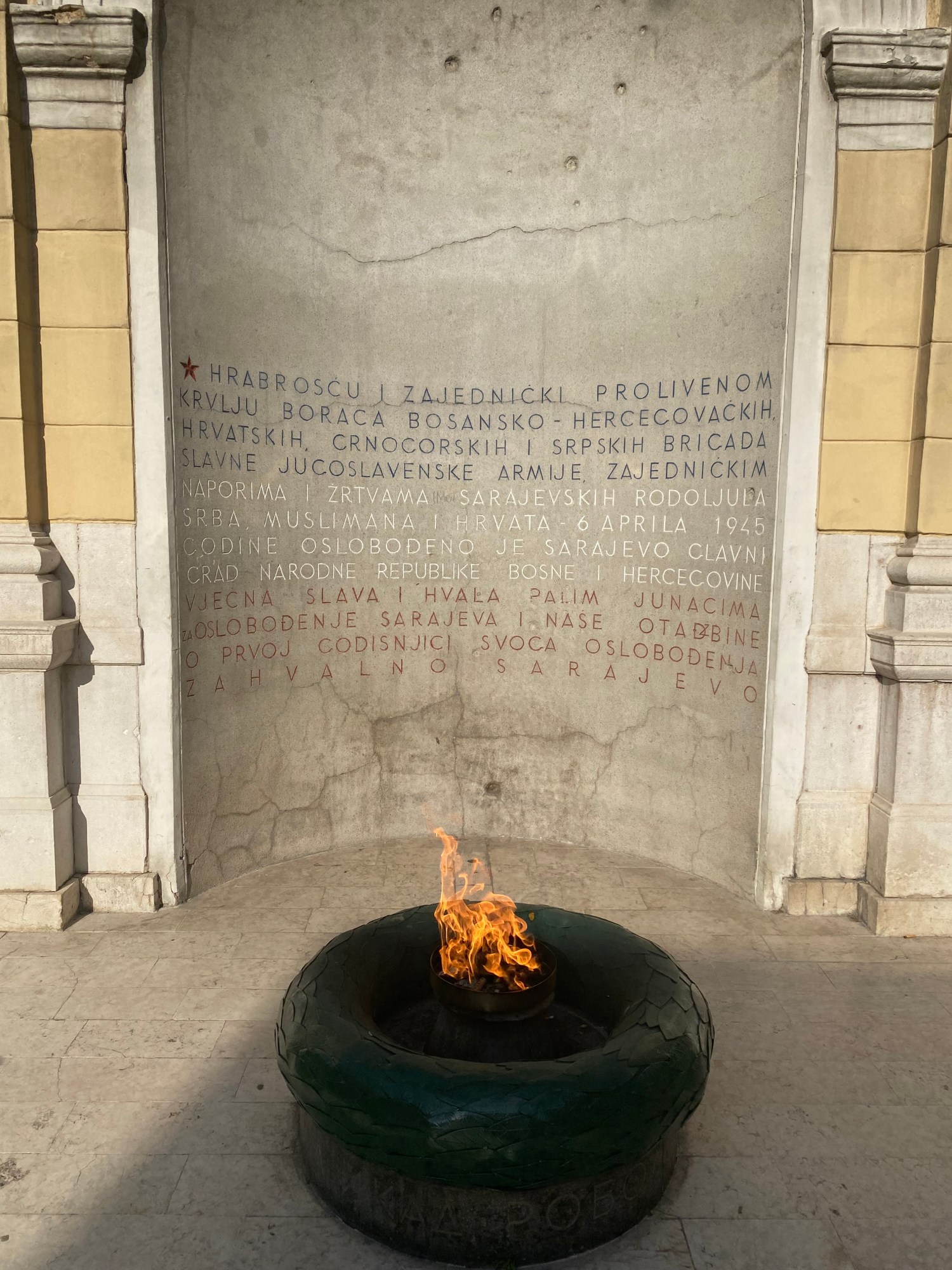
One of the poignant symbols of Sarajevo is the Eternal Flame, located in the heart of the city. This memorial was erected to honor the victims of World War II and has since become a symbol of resilience and remembrance. Another iconic landmark is the City Hall, a stunning architectural masterpiece built in the Austro-Hungarian style. Unfortunately, during the Bosnian War, the City Hall suffered extensive damage, but it was meticulously restored and reopened in 2014. Today, it stands as a symbol of Sarajevo’s ability to rise from the ashes and rebuild.
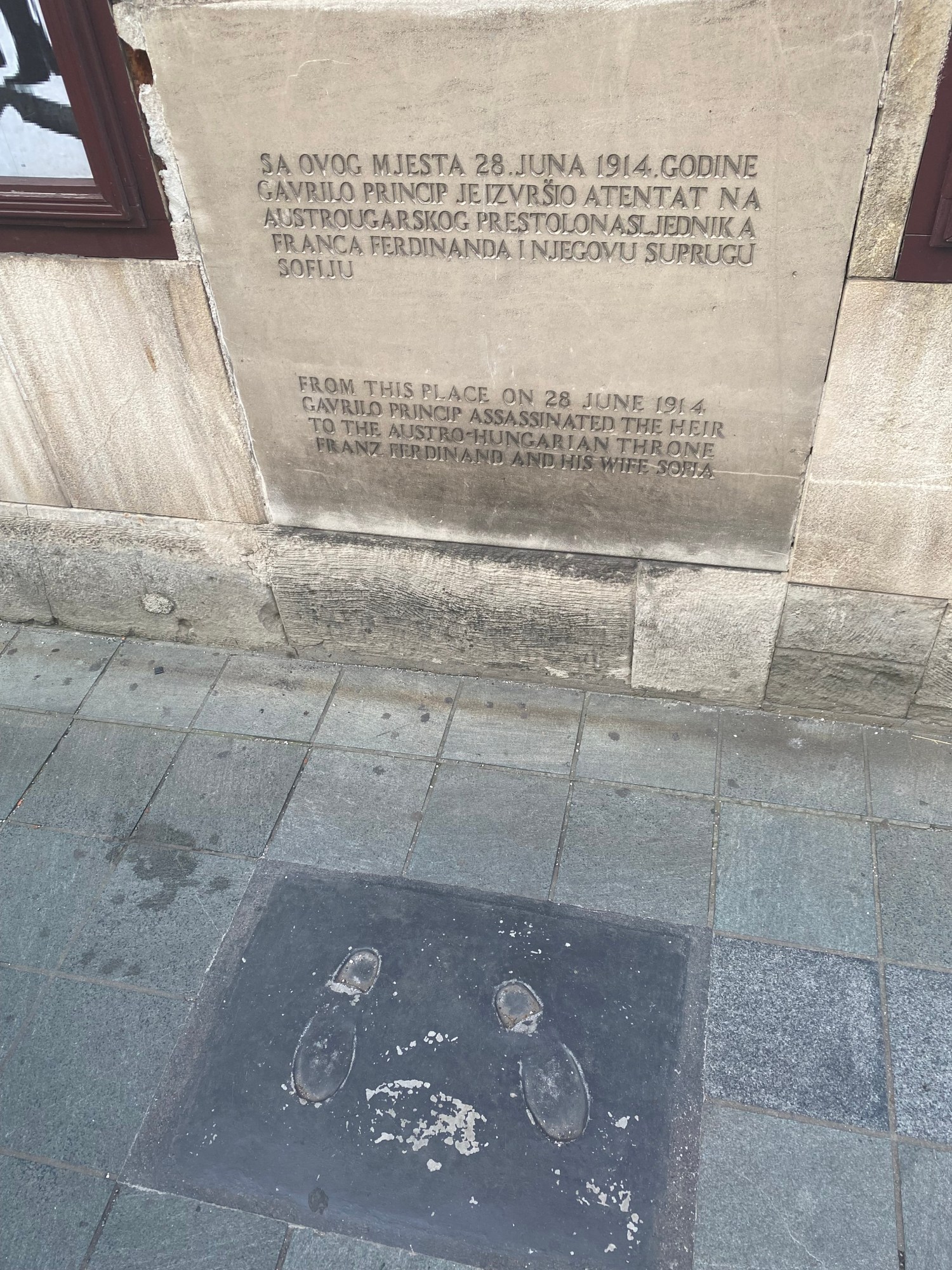
Sarajevo’s historic importance extends beyond its architectural wonders. The city has played a crucial role in the political and cultural landscape of the Balkans for centuries. It was in Sarajevo that the assassination of Archduke Franz Ferdinand in 1914 triggered the events leading to World War I. The city’s multicultural heritage, with influences from Ottoman, Austro-Hungarian, and Yugoslav periods, adds to its unique charm. Sarajevo’s rich history, marked by both triumphs and tribulations, continues to shape its identity as a resilient and culturally significant metropolis.
Jablanica (Battle of Neretva)
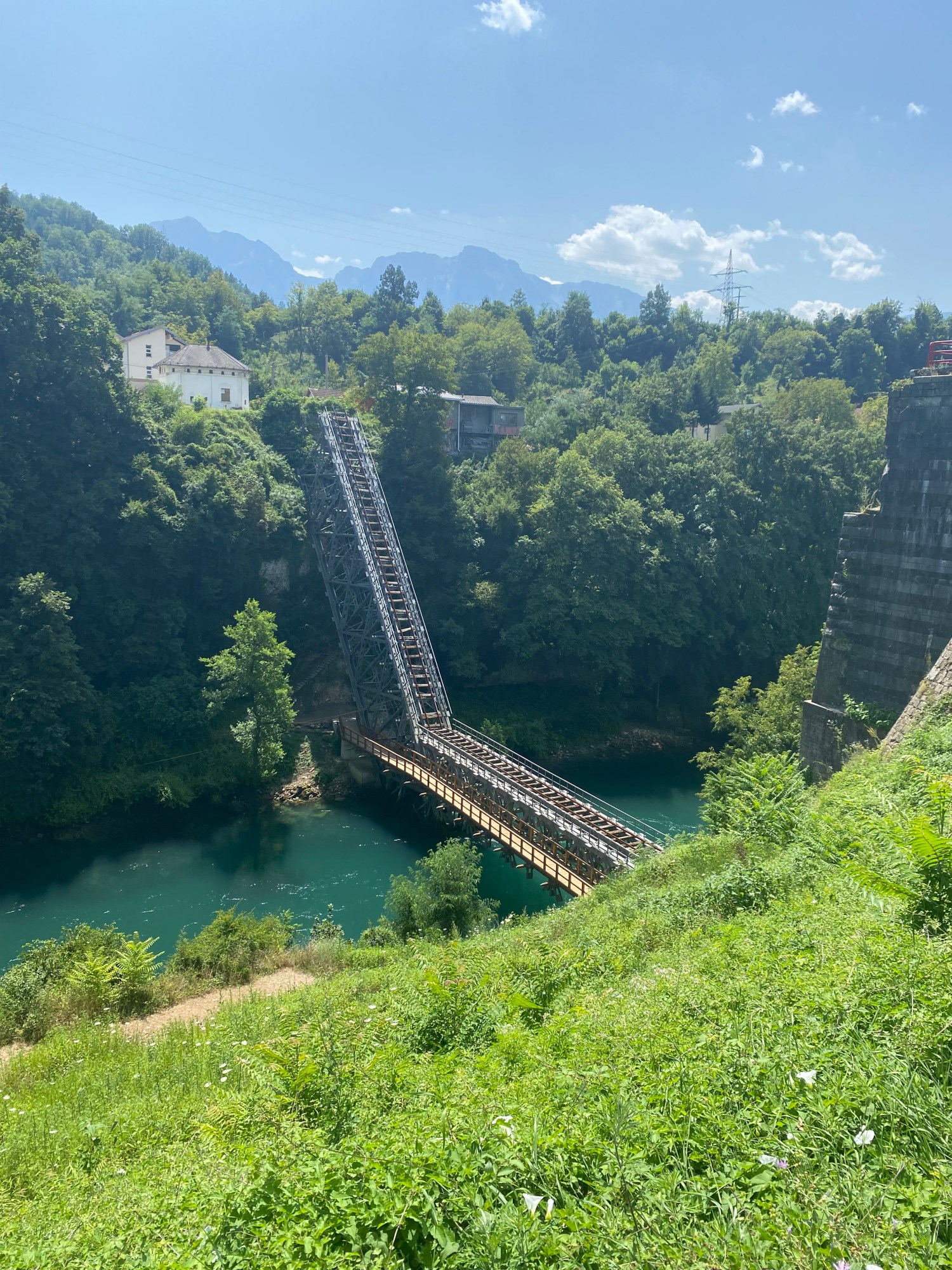
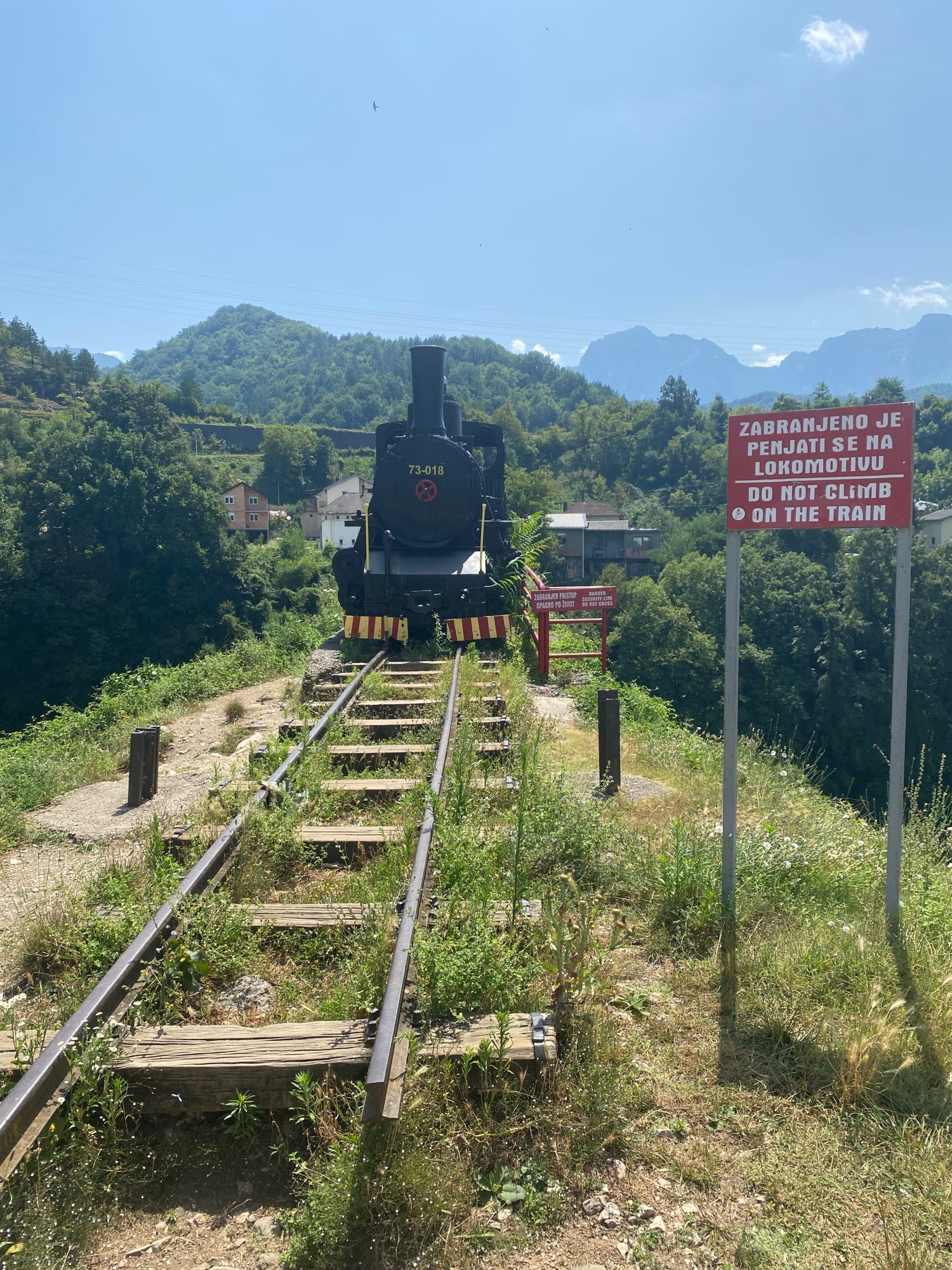
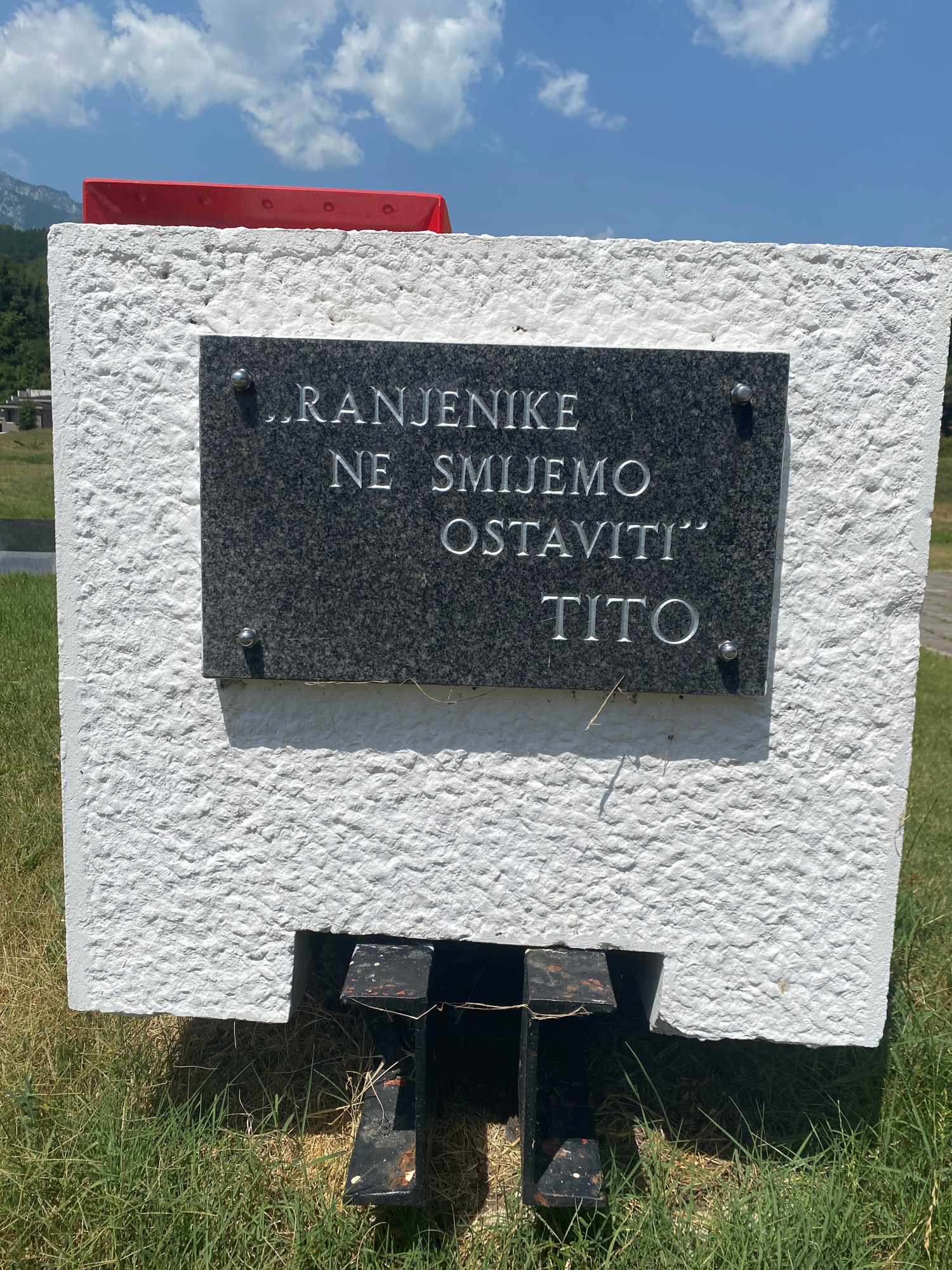
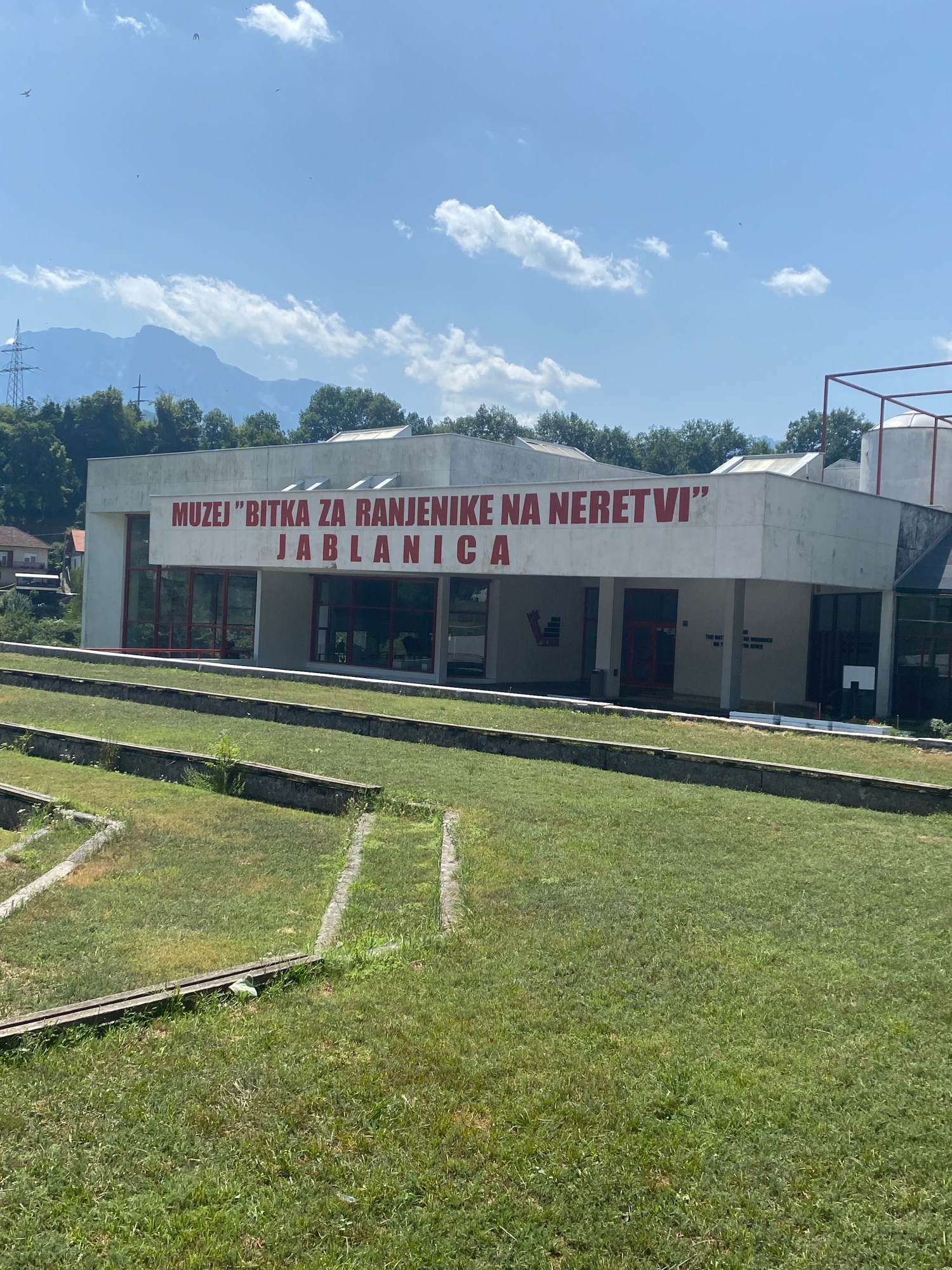
Jablanica is a town situated in Bosnia and Herzegovina, right in between Sarajevo and Mostar. One of the notable landmarks in Jablanica is the Bridge on the Neretva River, a historic structure that gained international attention during World War II. The bridge played a crucial role in the Battle of Neretva, a significant conflict in the region. Unfortunately, the original bridge was later demolished as part of the war’s impact on the infrastructure. The dramatic events surrounding the bridge’s destruction have been immortalized in the film “The Battle of Neretva,” directed by Veljko Bulajić. Released in 1969, the movie vividly captures the intensity and struggles of the war, featuring iconic scenes depicting the demolition of the Bridge on the Neretva. The film serves as a historical testament to the wartime experiences of the region and the enduring impact of the Battle of Neretva.
Mostar
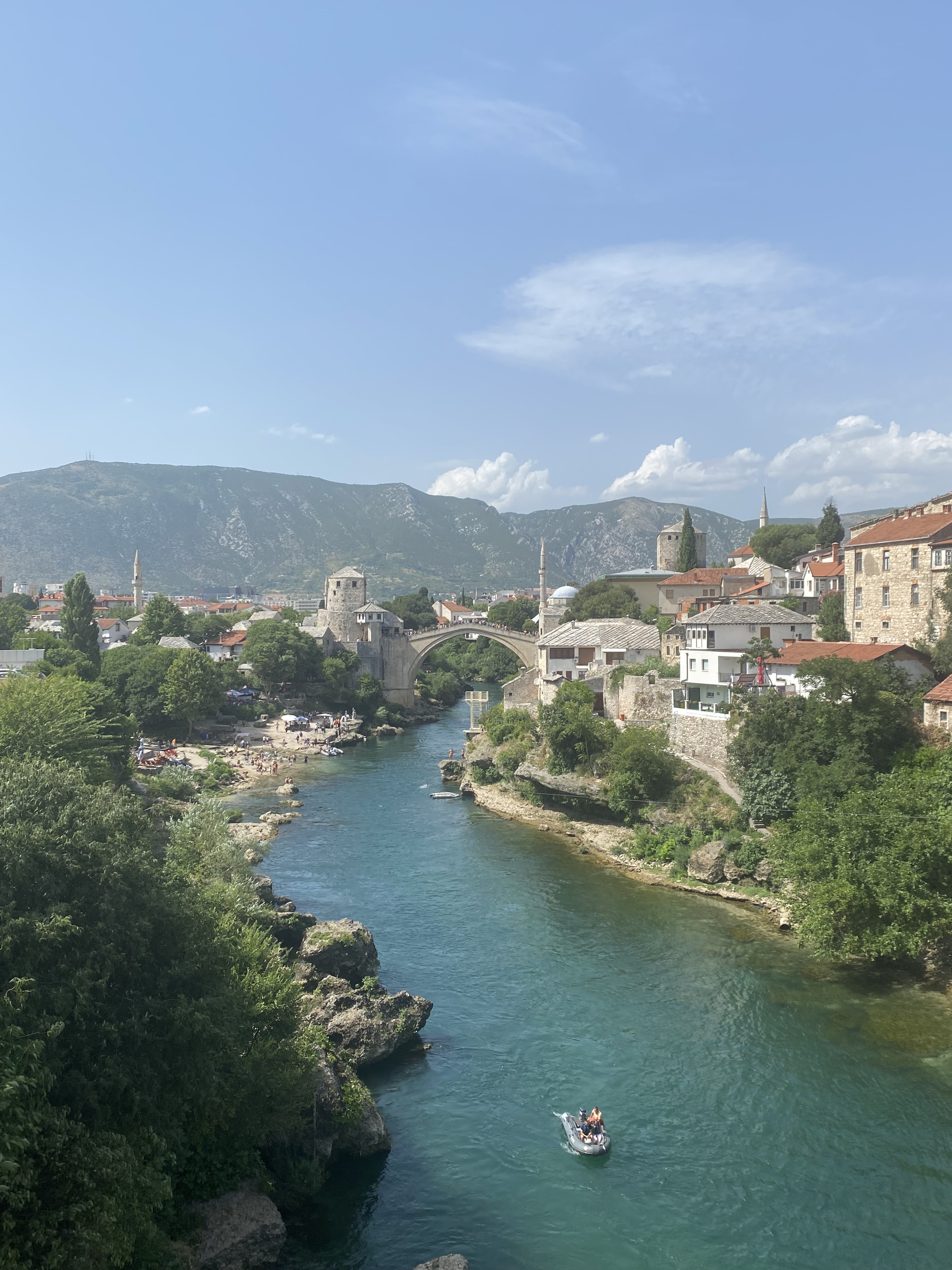
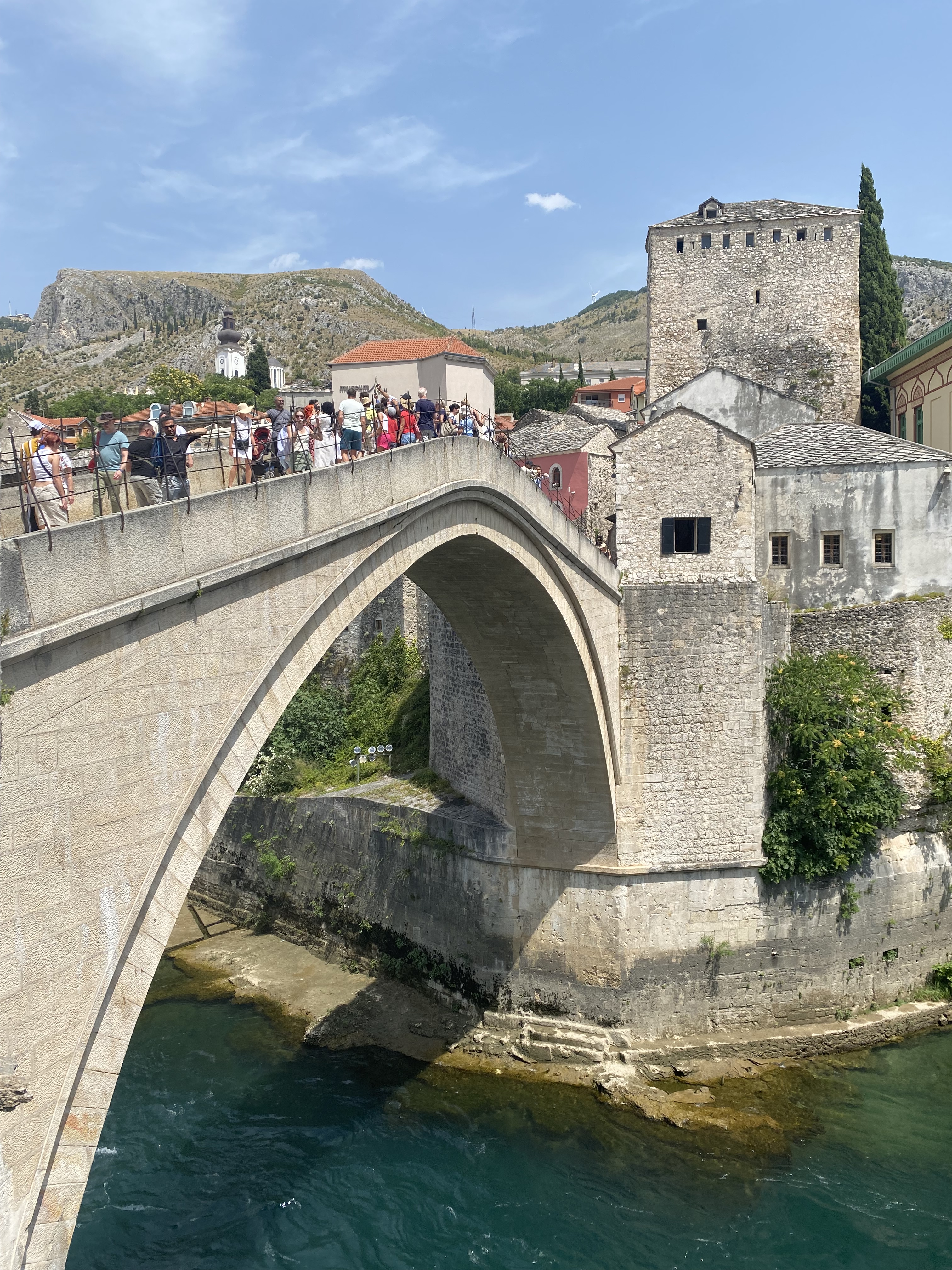
Mostar is a beautiful city situated in the southern part of Bosnia and Herzegovina, renowned for its rich history, stunning architecture, and the iconic Stari Most (Old Bridge) that spans the Neretva River. The city’s roots trace back to the medieval times, with a blend of Ottoman and Austro-Hungarian influences evident in its diverse cultural and architectural heritage. The Old Bridge, a UNESCO World Heritage Site, stands as a symbol of reconciliation and unity, having been meticulously reconstructed after being destroyed during the Bosnian War in the 1990s. Mostar’s Old Bazaar, known as Bazar Kujundžiluk, invites visitors to wander through its narrow cobblestone streets, lined with vibrant shops, traditional cafes, and historic landmarks. The city’s unique charm and the resilience displayed in the restoration of its cultural gems make Mostar a captivating destination for travelers seeking a blend of history, culture, and natural beauty in the heart of the Balkans.

Food
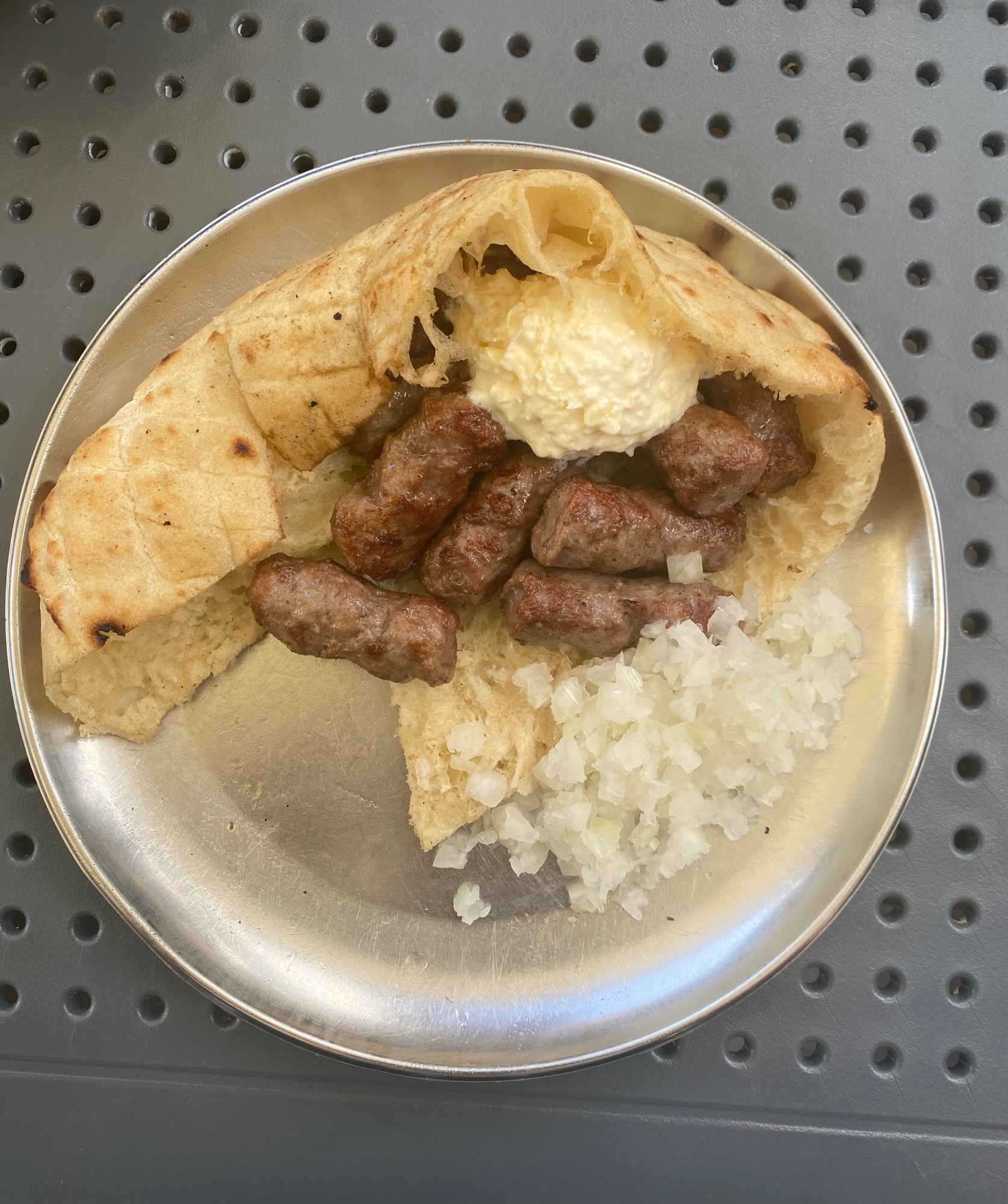
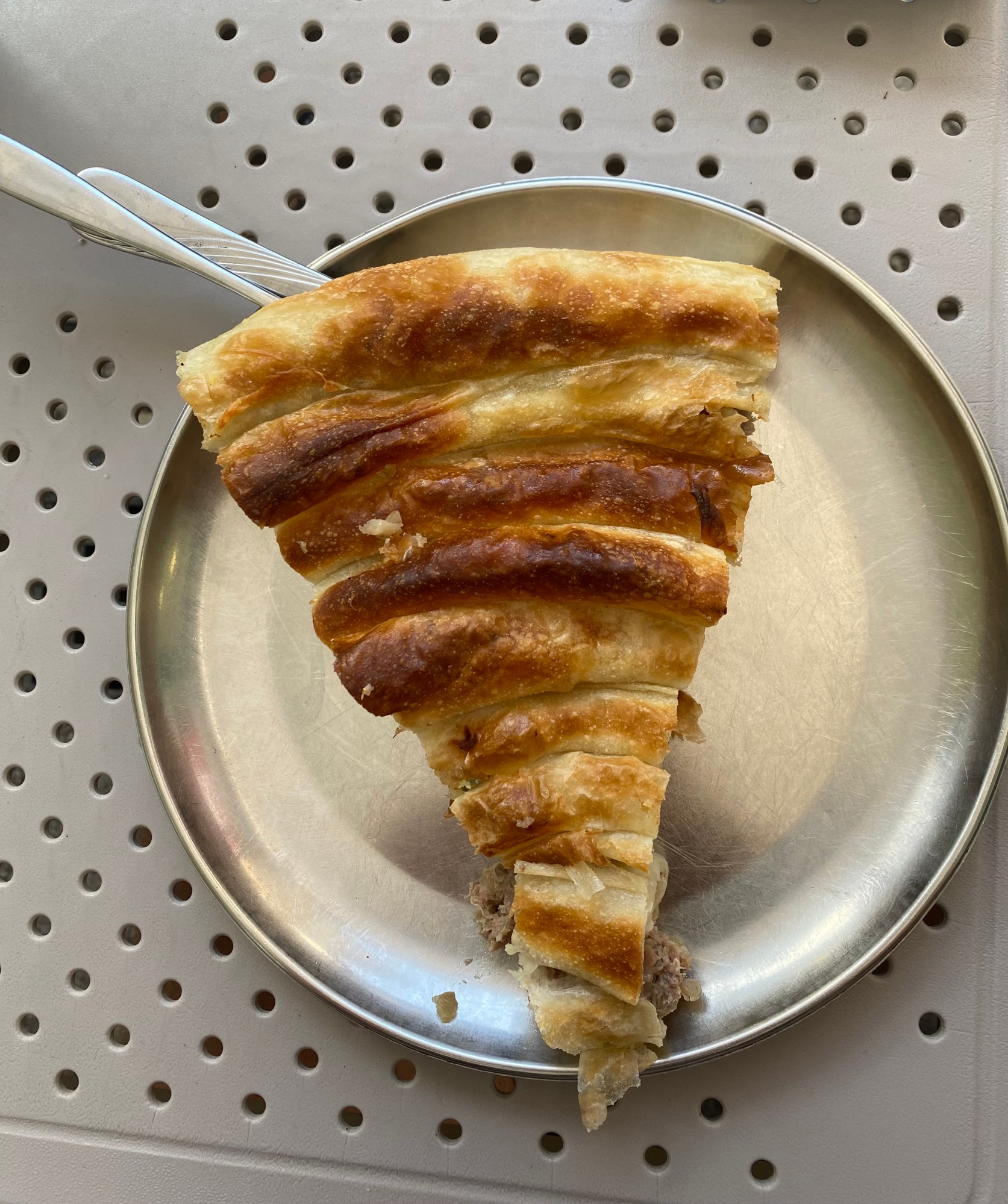
Bosnia boasts a rich culinary heritage, with burek and cevapi standing out as iconic dishes that reflect the country’s diverse flavors. Burek, a savory pastry filled with minced meat (and ONLY with minced meat if you ask Bosnian people), cheese, or spinach, is a beloved dish enjoyed throughout Bosnia. Its flaky layers and hearty fillings make it a satisfying treat for locals and visitors alike. Ćevapi, on the other hand, are small, grilled minced meat sausages, typically served with somun bread and a side of diced onions. These flavorful meat bites, often made from a blend of beef and lamb, are a staple in Bosnian cuisine, showcasing the region’s emphasis on simple yet delicious fare. Both burek and cevapi embody the warmth and hospitality ingrained in Bosnian culture, inviting people to share a taste of the country’s culinary traditions. They are being served in half of the flatbread called “somun” and there are usually 5 of them (“petica”) or 10 of them (“desetka”) in it and onion and “kajmak” (type of cream cheese) on a side. So, if you want to order like a local you say “Deset u pola sa lukom” which means “10 in half with onion.”
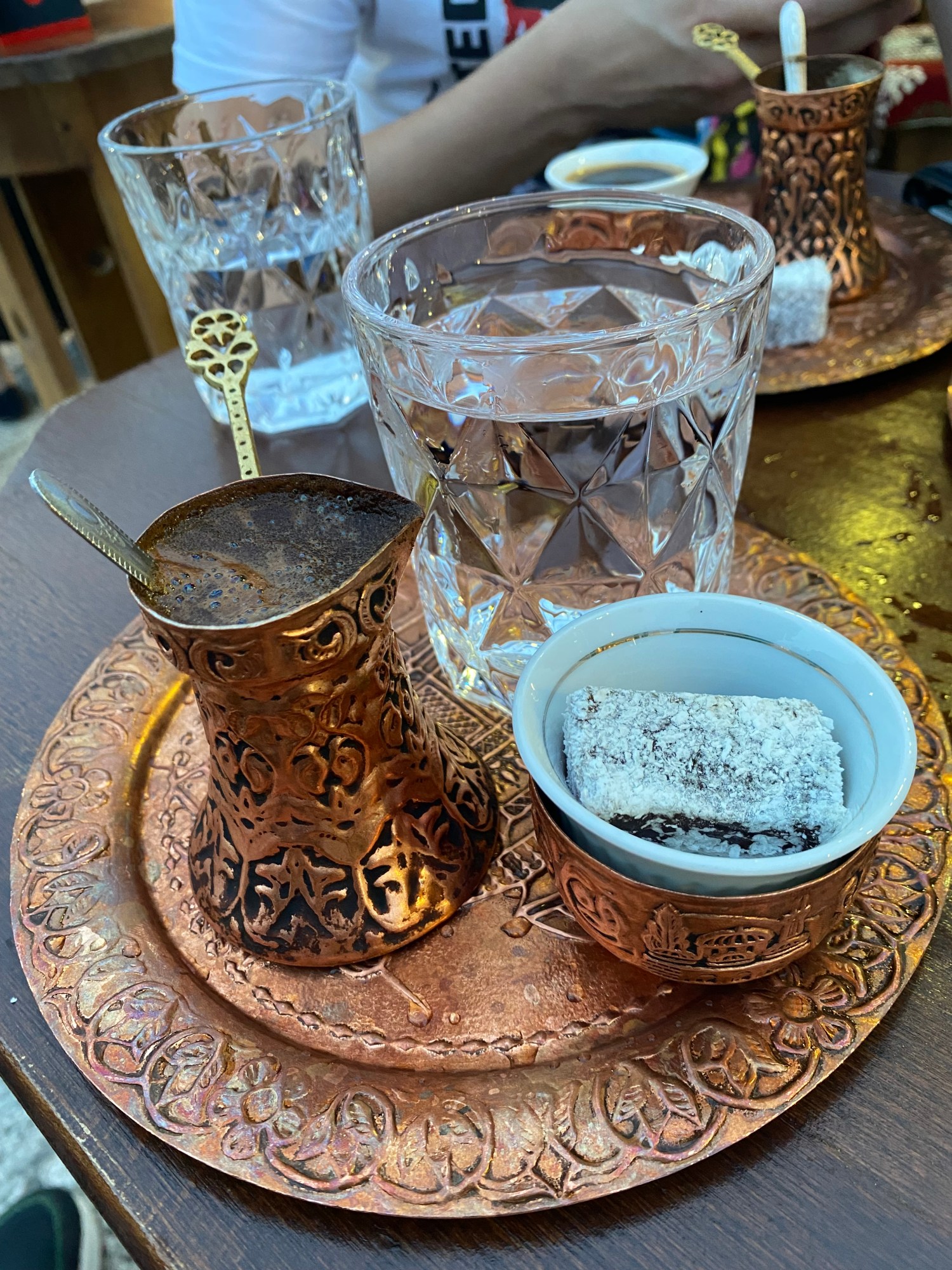
In addition to its delectable cuisine, Balkan is also known for its vibrant coffee culture, especially in the Bosnian region. Drinking coffee is not merely a routine but a social ritual, bringing people together to engage in leisurely conversations. Bosnians (and Balkan people in general) take pride in their traditional method of preparing coffee, known as “turska kafa” or Turkish coffee. It involves slow brewing and is typically served in small, ornate cups. Coffeehouses, or “kafanas,” are popular meeting spots where friends gather to enjoy coffee, share stories, and immerse themselves in the relaxed atmosphere. The culture of drinking coffee in Bosnia goes beyond the beverage itself; it symbolizes a cherished tradition of connectivity, fostering relationships and creating memorable moments in the heart of the Balkans.




 Pavle Ristić
Leave a comment