
Prologue
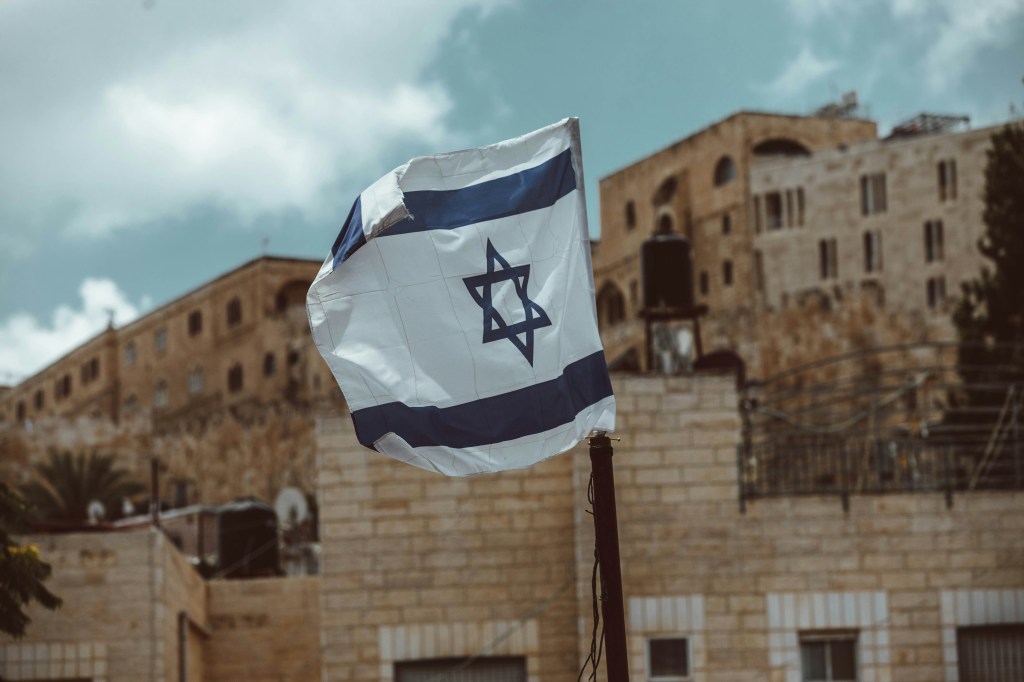
Before we take off, I must acknowledge that my visit to Israel took place in June 2023, before the outbreak of the most recent conflict. The memories I share with you today are a testament to the beauty and resilience of this incredible nation, untouched by the shadows of subsequent events. It’s important to acknowledge the sensitivity surrounding the topic of war, especially given the complexities of the region. While my experiences are free from the impact of recent events, I want to take a moment to express my deep empathy for those affected by conflicts in any part of the world. Travel, after all, is a celebration of unity and understanding, and my hope is that our exploration of Israel’s wonders can serve as a reminder of the importance of peace, compassion, and cultural appreciation.
Introduction
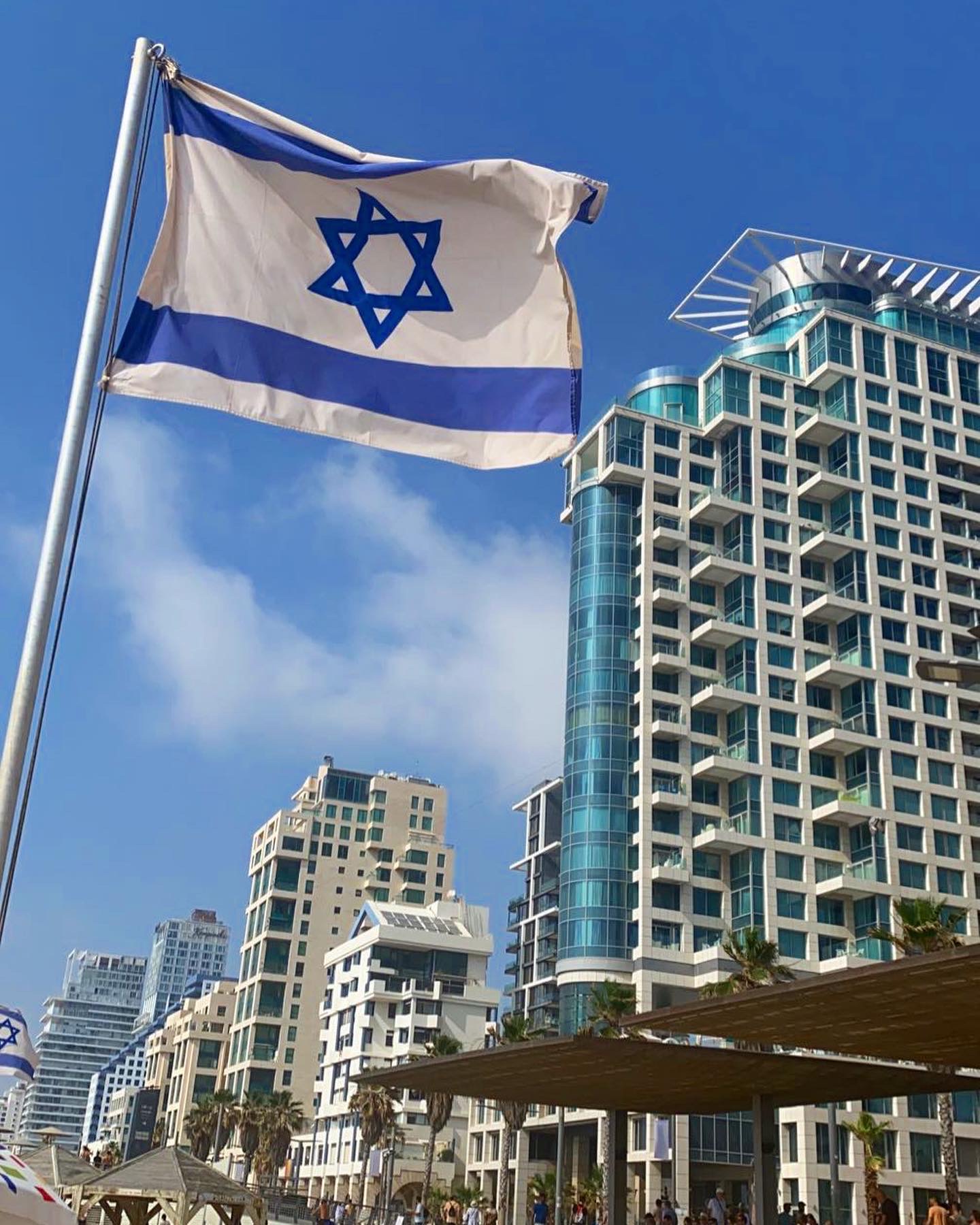
Have you ever dreamed of visiting the Holy Land, the birthplace of three major religions and a region rich in history, culture, and diversity? If so, I am thrilled to transport you through the pages of my blog to an enchanting destination that holds a special place in the hearts of many – Israel. Join me on a captivating journey through the vibrant streets of Tel Aviv, the ancient wonders of Jerusalem, and beyond, as I delve into the rich history, culture, and spirituality that this remarkable land has to offer.
Entrance
I arrived in Tel Aviv from Rome, which I will write about in one of the next posts. After landing, I was greeted by a procedure that includes issuing the so-called “blue entry card”, which is actually a visitor’s visa. This blue card serves as a replacement for the classic passport stamp. However, it should be noted that the process of arriving at this airport involves detailed checks and rigorous security measures. For security reasons, Ben Gurion is known for the high level of checks that travelers go through to ensure safe entry into the country. The specifics of this procedure and the issuance of the “blue card” are often related to maintaining security and monitoring the entry of foreign visitors to Israel. This system further contributes to the security of the country and enables accurate tracking of visitors during their stay.

Tel Aviv (תֵּל אָבִיב-יָפוֹ)
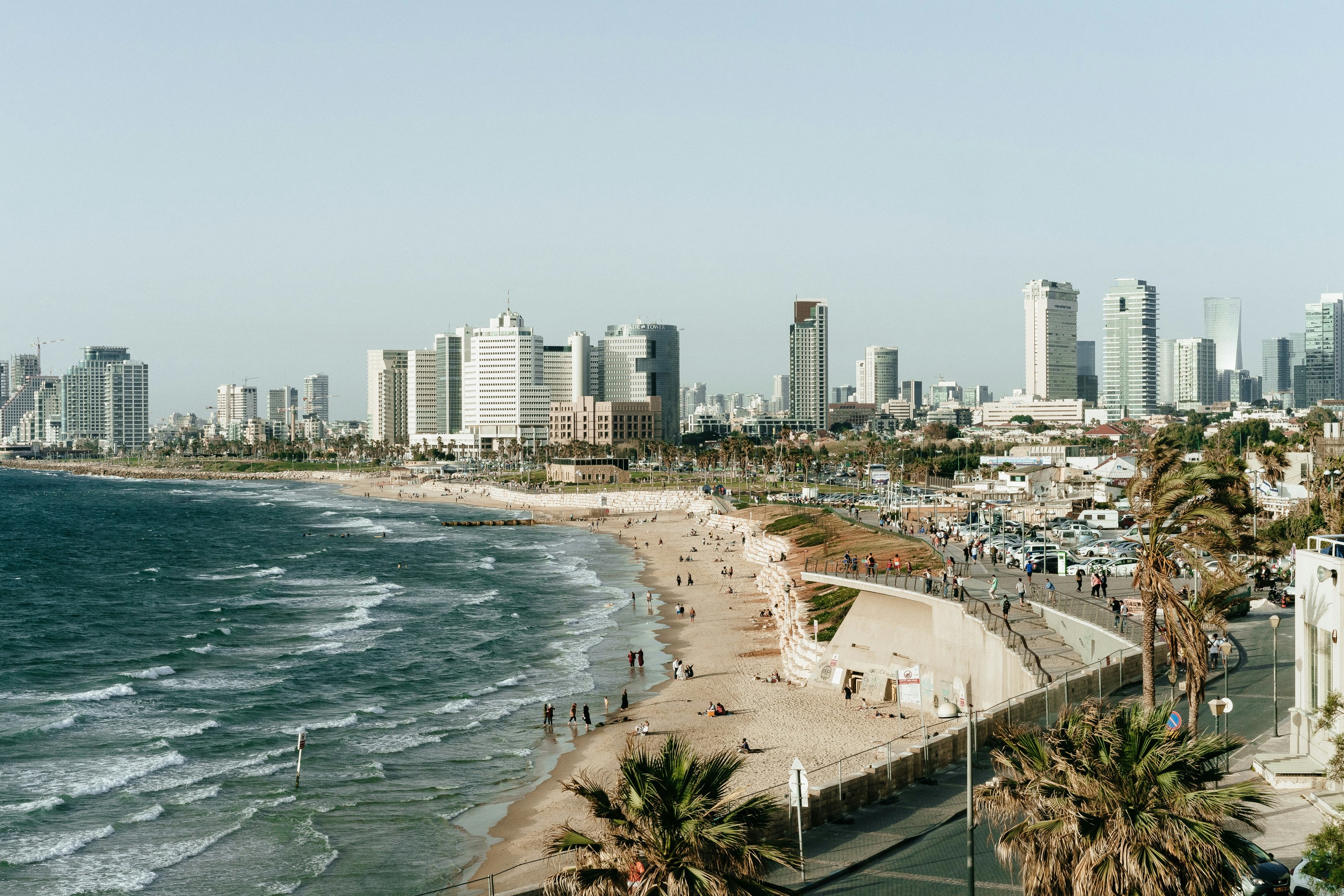
Okay, now we went through all of the boring and tiring regulations and rules let’s explore Tel Aviv. Tel Aviv, situated along the shores of the Mediterranean, stands as a testament to the harmonious blend of modernity and historical charm. The city exudes a vibrant and dynamic atmosphere, captivating visitors with its lively spirit. One of the Tel Aviv experiences I truly enjoyed is soaking in the sun and energy at Aviv Beach. With its golden sands and azure waters, the beach not only offers a scenic escape but also embodies the city’s modern and Miami-like vibe. Locals and tourists alike converge here to enjoy a myriad of activities, from sunbathing to engaging in beach sports, all against the backdrop of a thriving beachside culture. However, be careful, known for its high cost of living, Tel Aviv ranks among the more expensive cities globally. Accommodation, dining, and entertainment expenses can be notably steep, making it crucial for residents and visitors alike to budget carefully while enjoying the city’s dynamic cultural scene and modern amenities.
A stroll through the heart of Tel Aviv takes you to the bustling Hacarmel Market, a sensory delight that enriches the city’s diverse and cosmopolitan nature. The market’s narrow alleys are lined with stalls overflowing with fresh produce, aromatic spices, and artisanal goods. This hub of culinary excellence mirrors the dynamic and innovative spirit of Tel Aviv. The market is not only a feast for the senses but also a microcosm of the city’s rich cultural tapestry. My accommodation was in the middle of Hacarmel Market and there are a lot of hotels nearby since the beach is around 5 minutes walk.

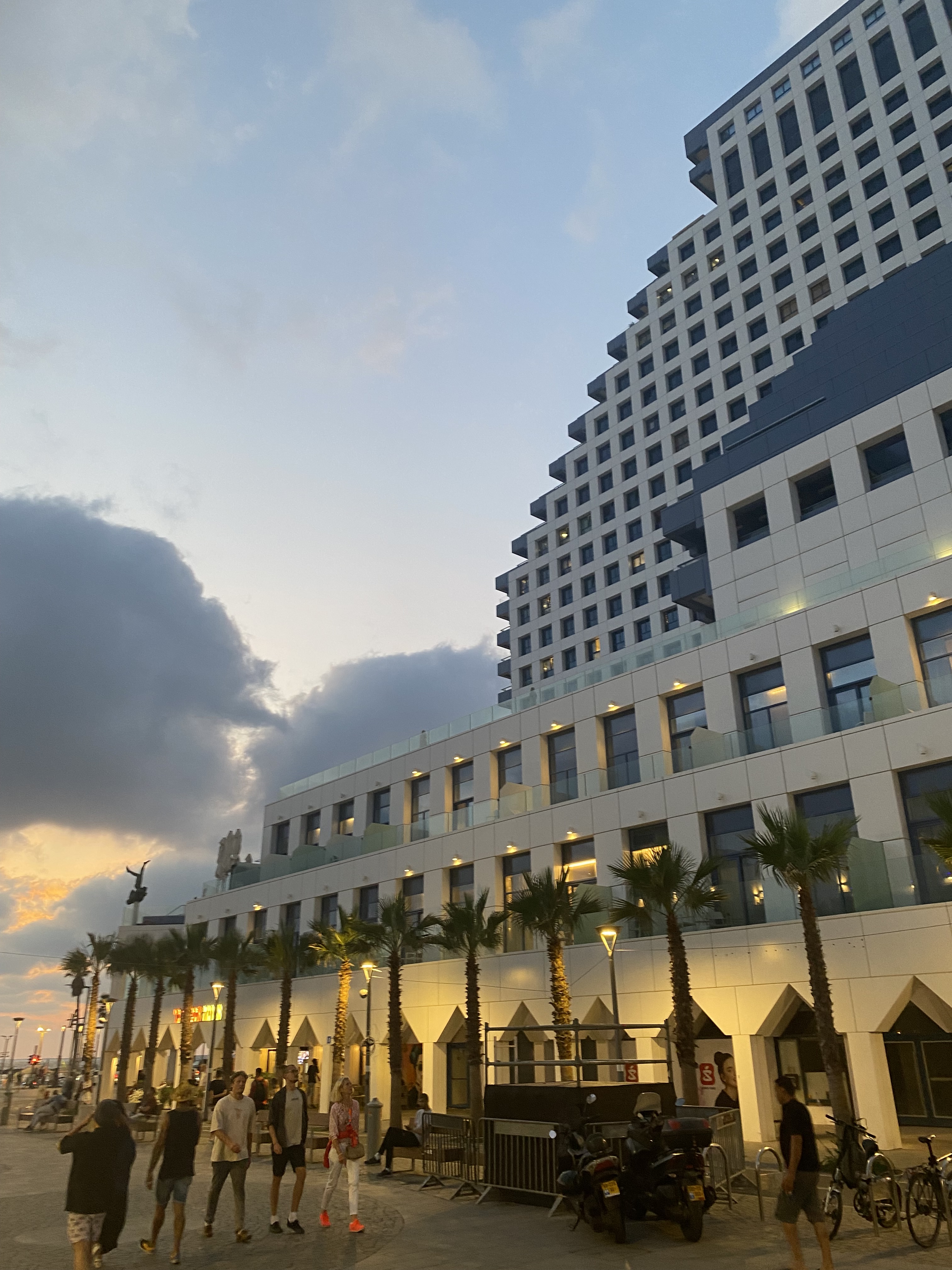
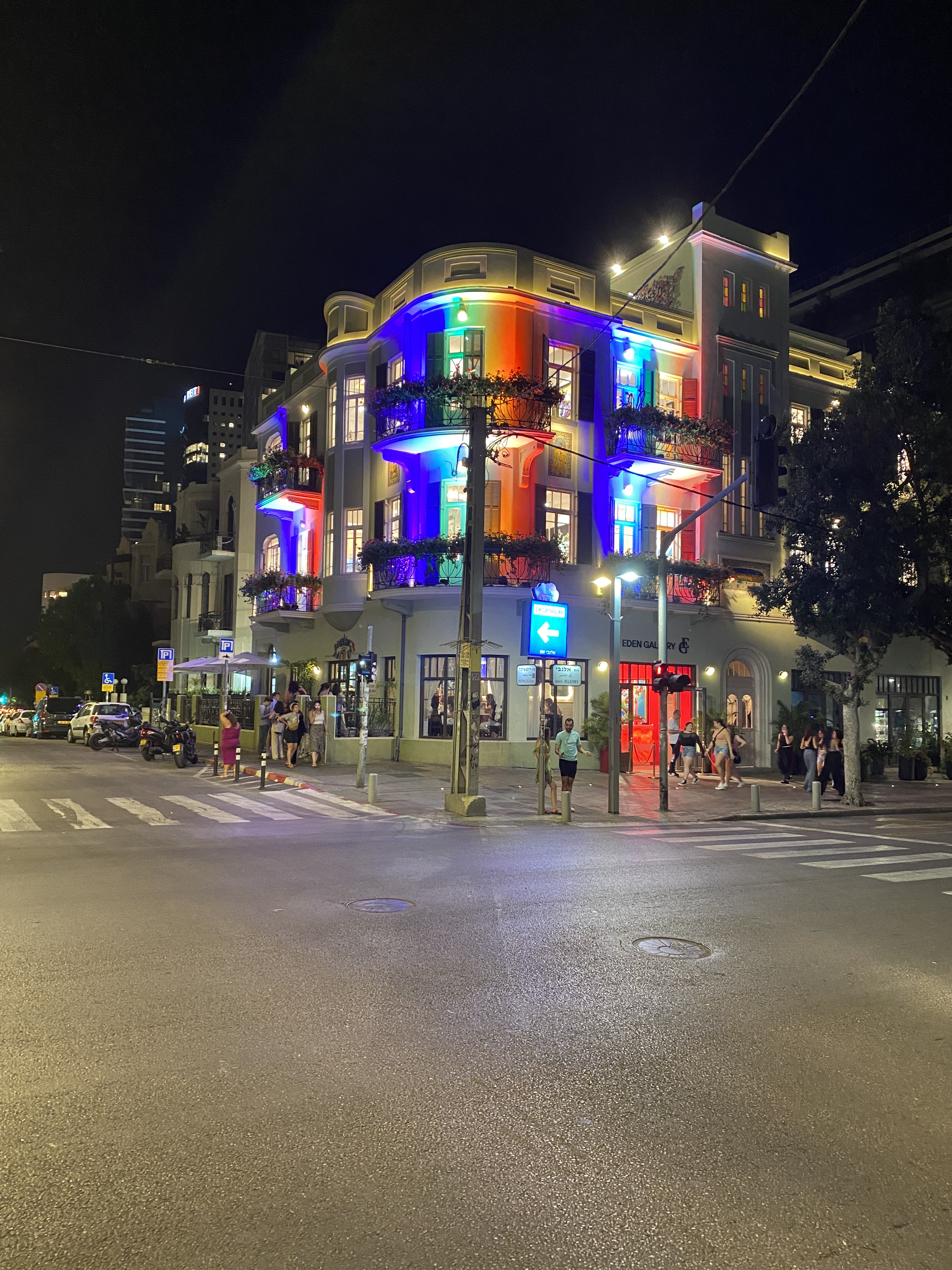


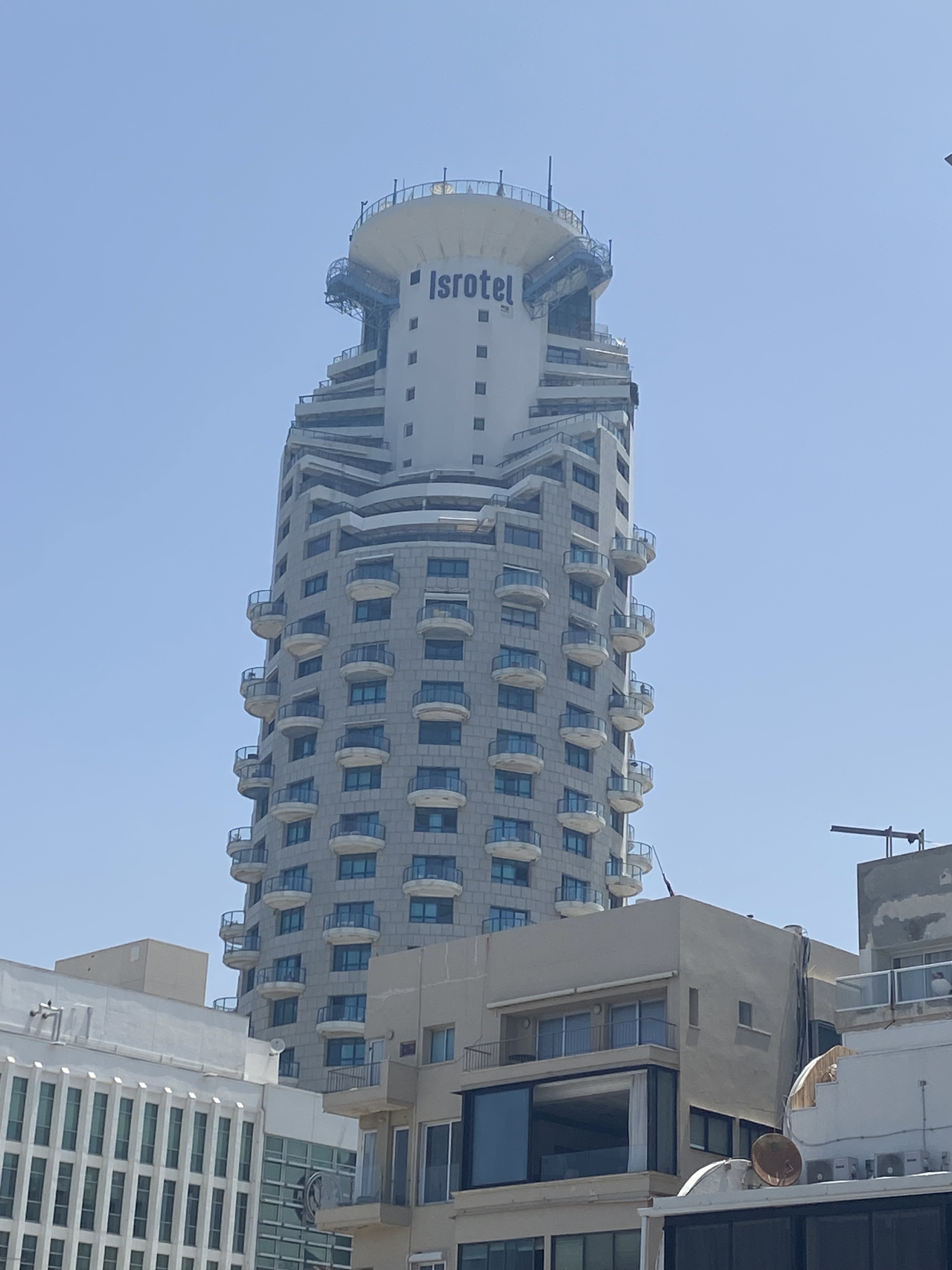
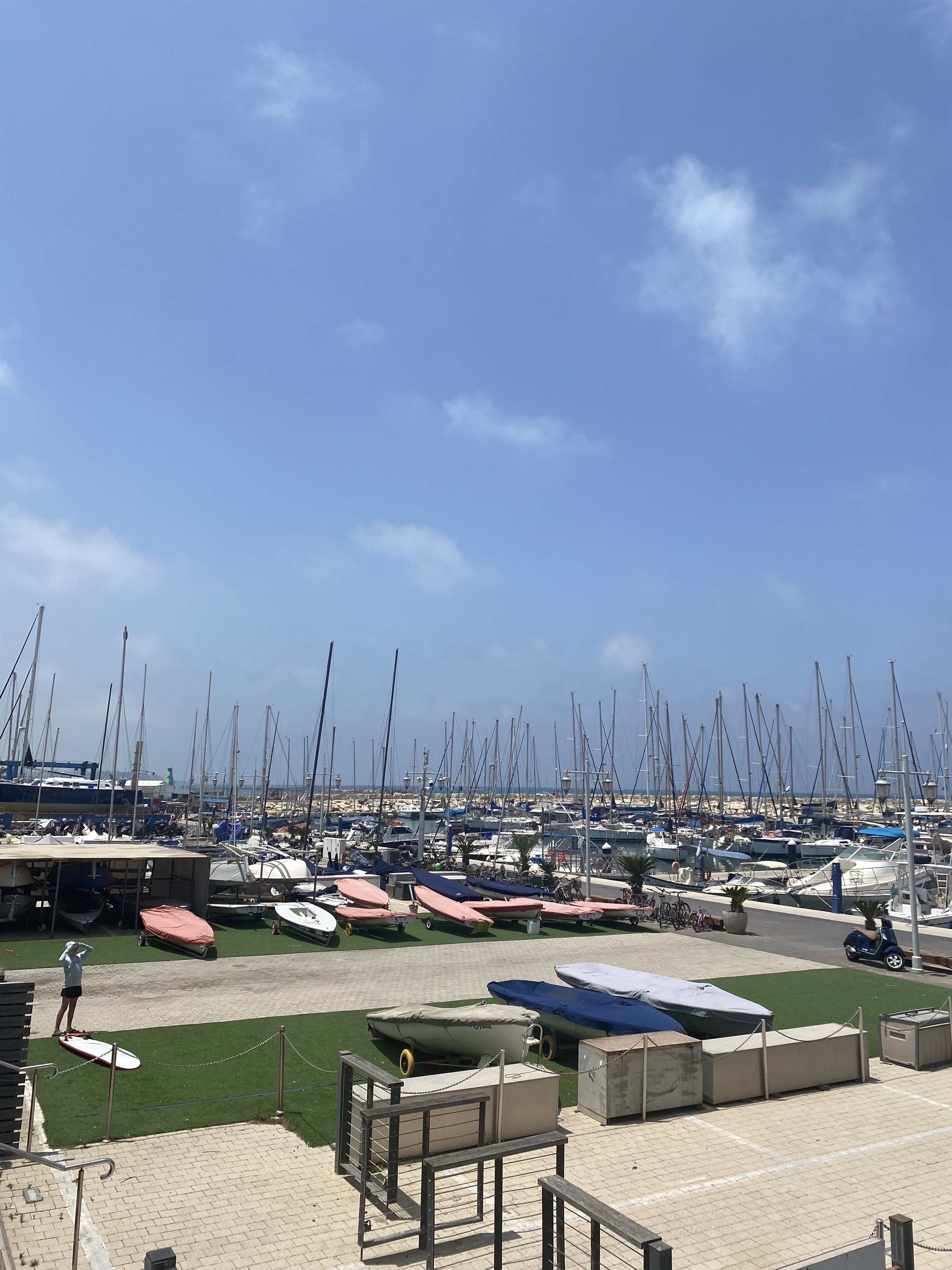
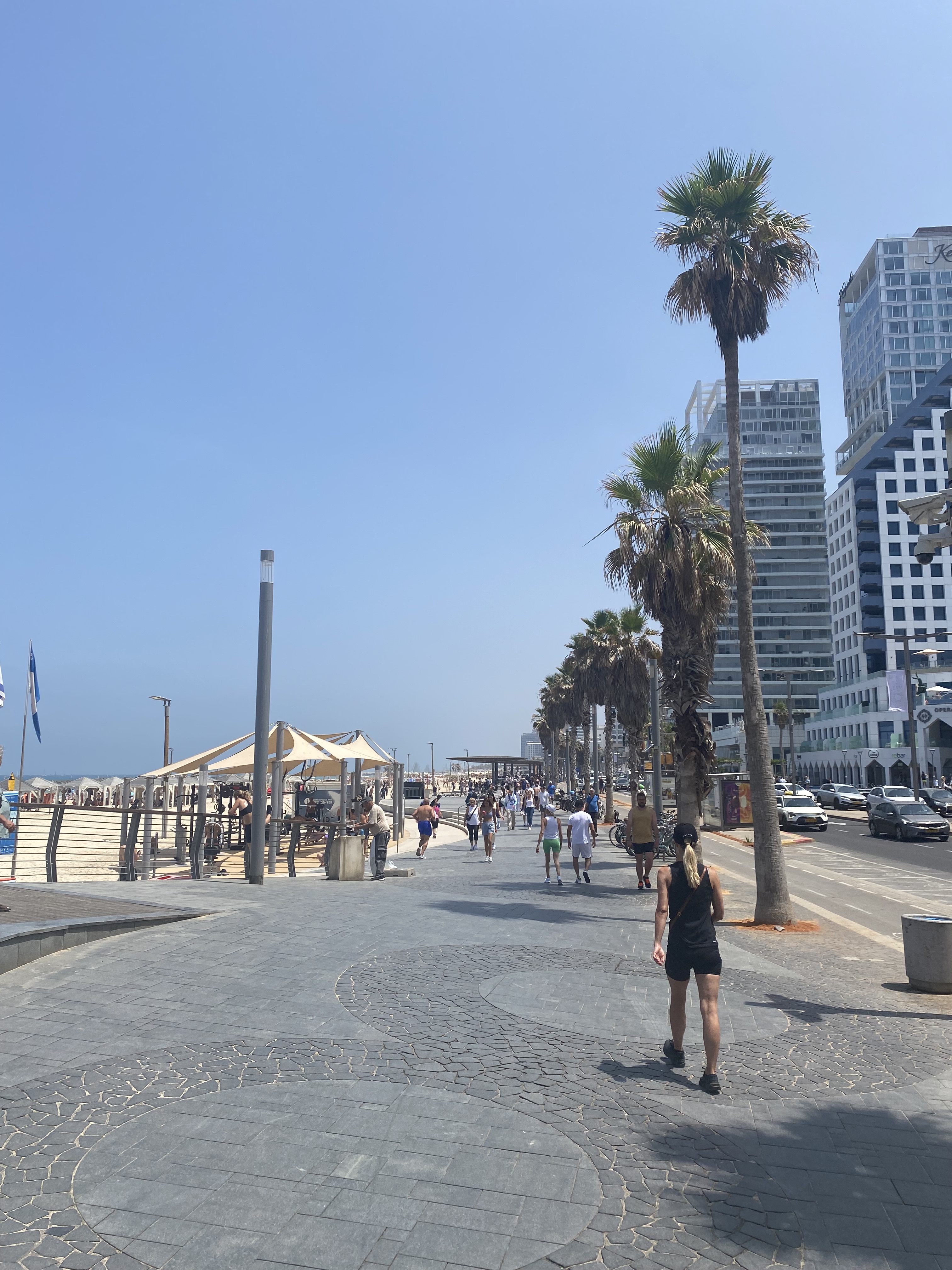
Unlike Jerusalem, known for its religious and orthodox ambiance, Tel Aviv thrives on its secular and modern population. The city is a melting pot of diverse cultures, attracting individuals who contribute to its innovative spirit. During my stay, I discovered that Tel Aviv is not only a hub of activity but also a city with a forward-thinking populace that shapes its cosmopolitan identity. My accommodation in the heart of Tel Aviv, nestled within the vibrant Carmel Market, served as the perfect vantage point for immersing myself in the city’s dynamic energy. This central location facilitated easy access to key attractions, trendy neighborhoods, and the delectable culinary offerings that define Tel Aviv’s gastronomic scene. Navigating through the city was further enhanced by the guidance of my friend, Goor, who proved to be an invaluable companion and guide. His insights added an extra layer to my exploration, revealing hidden gems, cultural nuances, and the multifaceted charm that makes Tel Aviv a great destination.
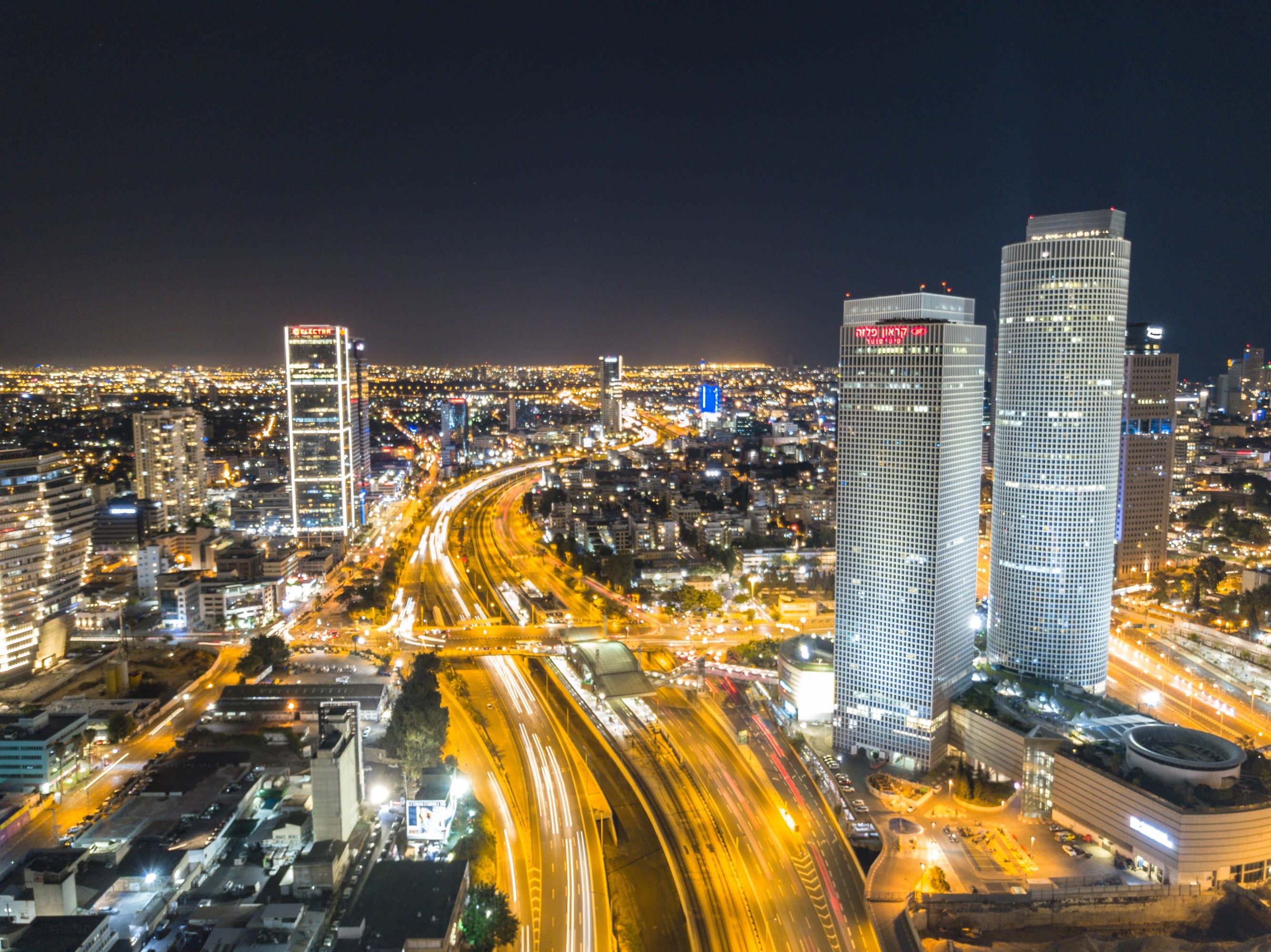
Jerusalem (יְרוּשָׁלַיִם)
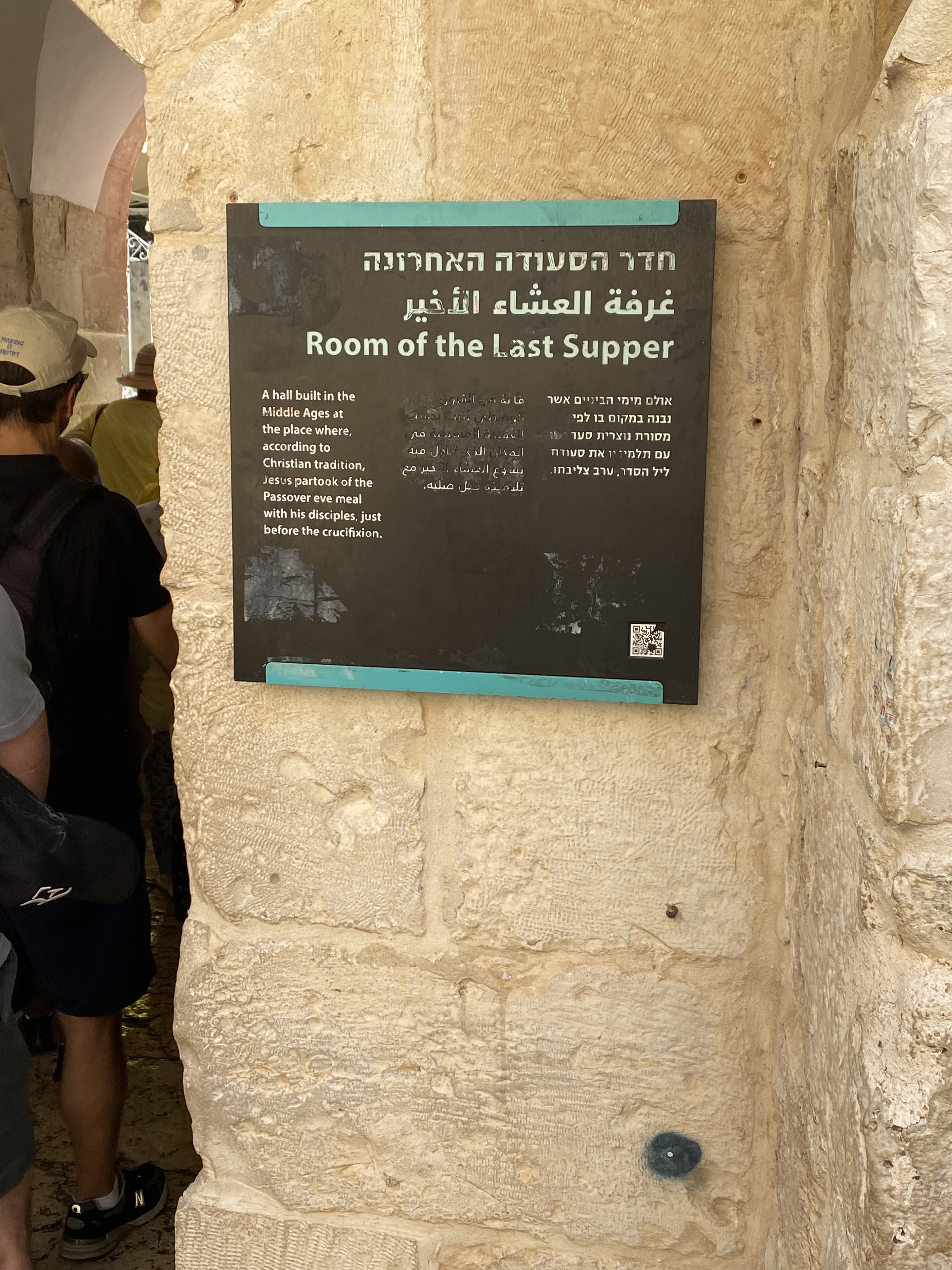
Jerusalem, often referred to as the “City of Gold,” is a place of profound historical and religious significance. The Old City, enclosed by ancient walls, is a microcosm of this rich tapestry, where three major monotheistic religions converge. One of its most revered sites is the Church of the Holy Sepulchre, an iconic Christian pilgrimage destination believed to encompass both the crucifixion and burial site of Jesus Christ. Pilgrims from around the world flock to this sacred space, reflecting the city’s role as a spiritual epicenter.
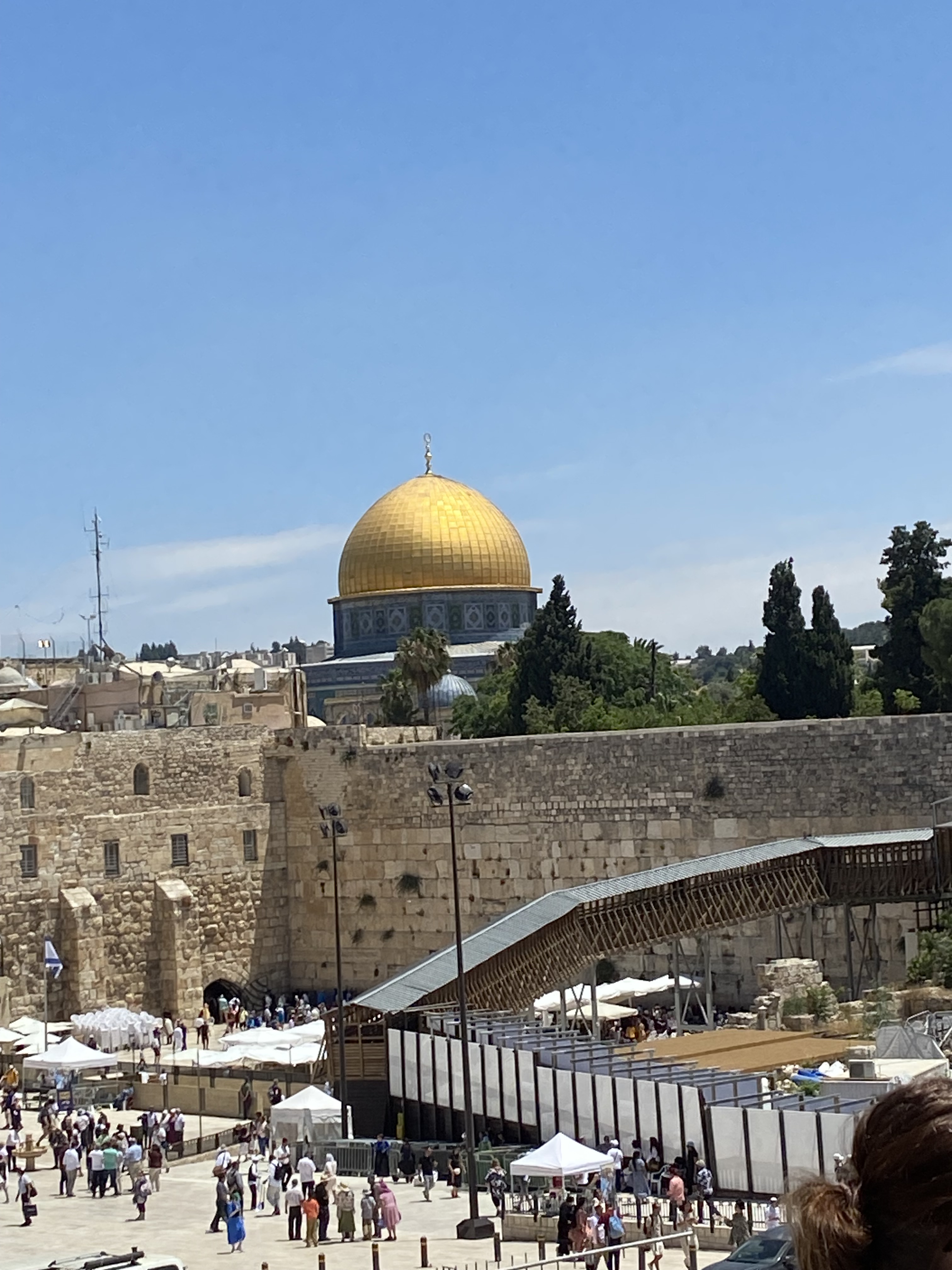
Adjacent to the Church of the Holy Sepulchre is the Western Wall. This remnant of the Second Temple is a place of deep prayer and reflection for Jewish worshippers, who often insert written prayers into the wall’s crevices. The spiritual resonance of this site is palpable, and the Western Wall Plaza is a gathering point for people seeking a connection with their faith. In the southeastern part of the Old City, the Al Aqsa Mosque stands as one of the holiest sites in Islam. The sprawling complex encompasses the Dome of the Rock, an iconic structure with a golden dome, and serves as a destination for Muslim pilgrims. The Al Aqsa Mosque holds immense cultural and religious significance, reflecting the city’s role as a sacred space for diverse faiths.
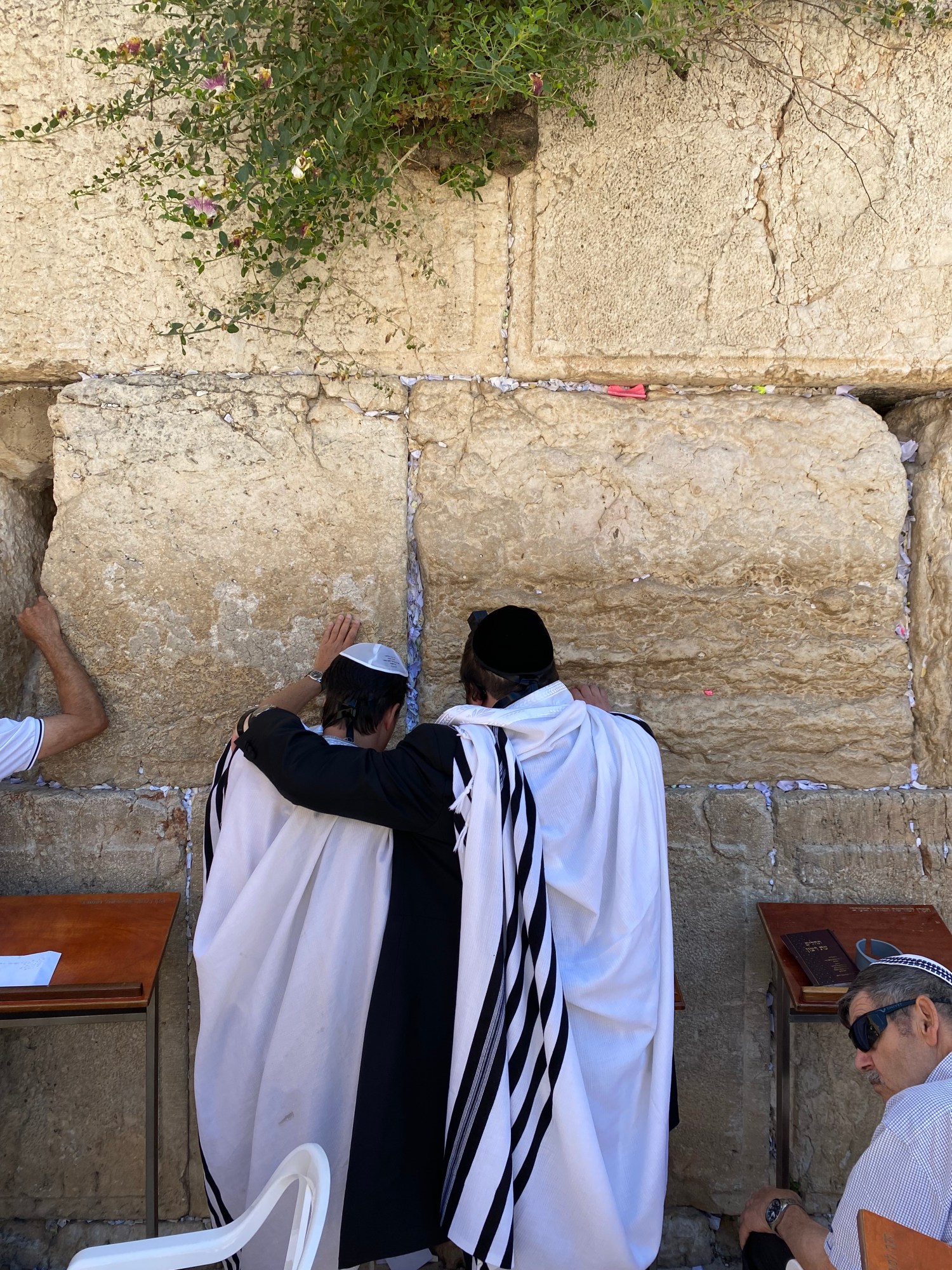
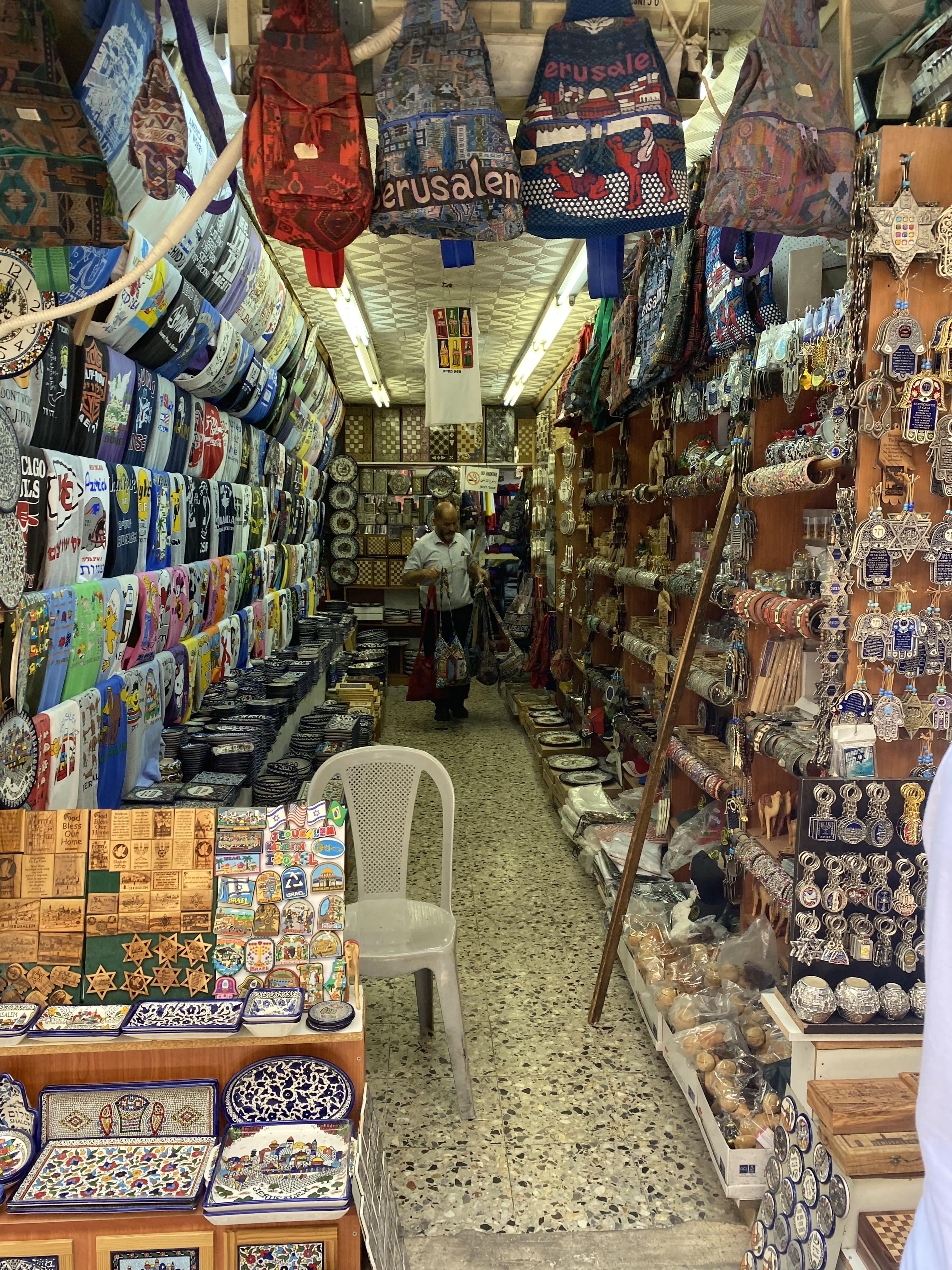
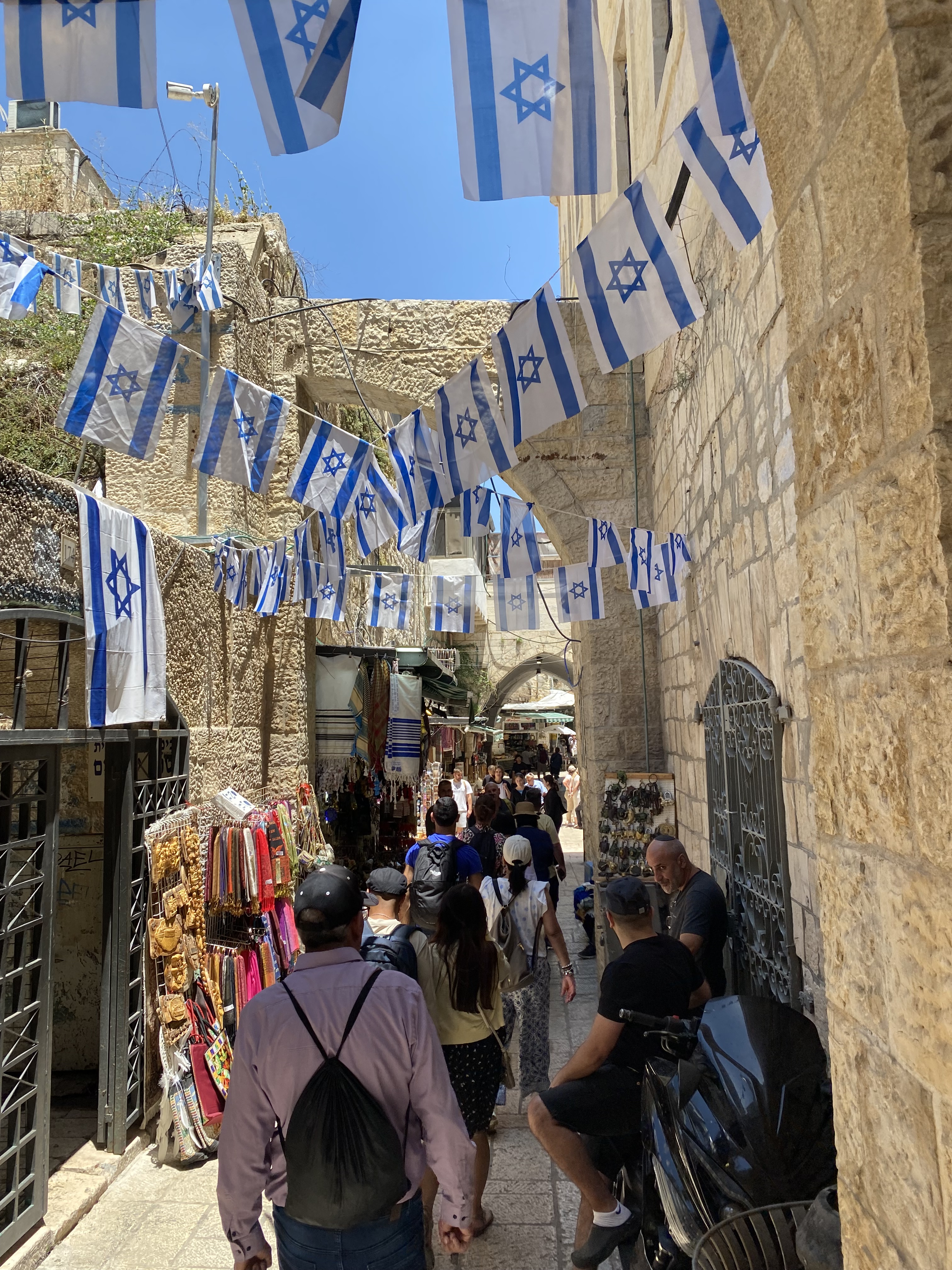
Jerusalem is not only a place of worship but also a symbol of historical endurance and coexistence. The Old City, with its narrow streets and ancient architecture, exudes an aura that transports visitors to bygone eras. Its importance is underscored by the Church of the Nativity in Bethlehem, just a short journey from Jerusalem. The Church of the Nativity, located in the West Bank, marks the traditional birthplace of Jesus. Crossing the border into Bethlehem involves passing through the separation barrier, a poignant reminder of the complex geopolitical landscape in the region.


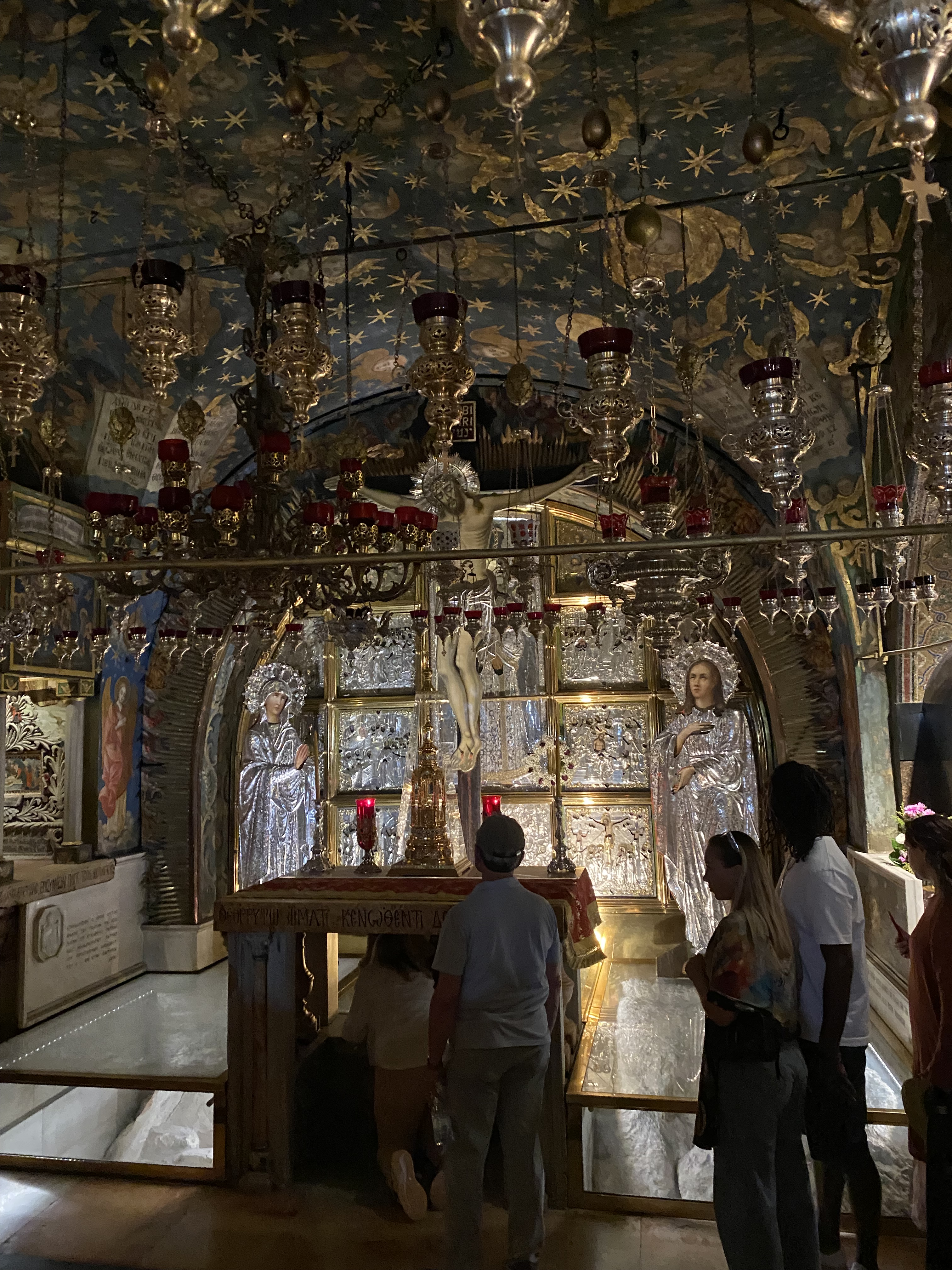
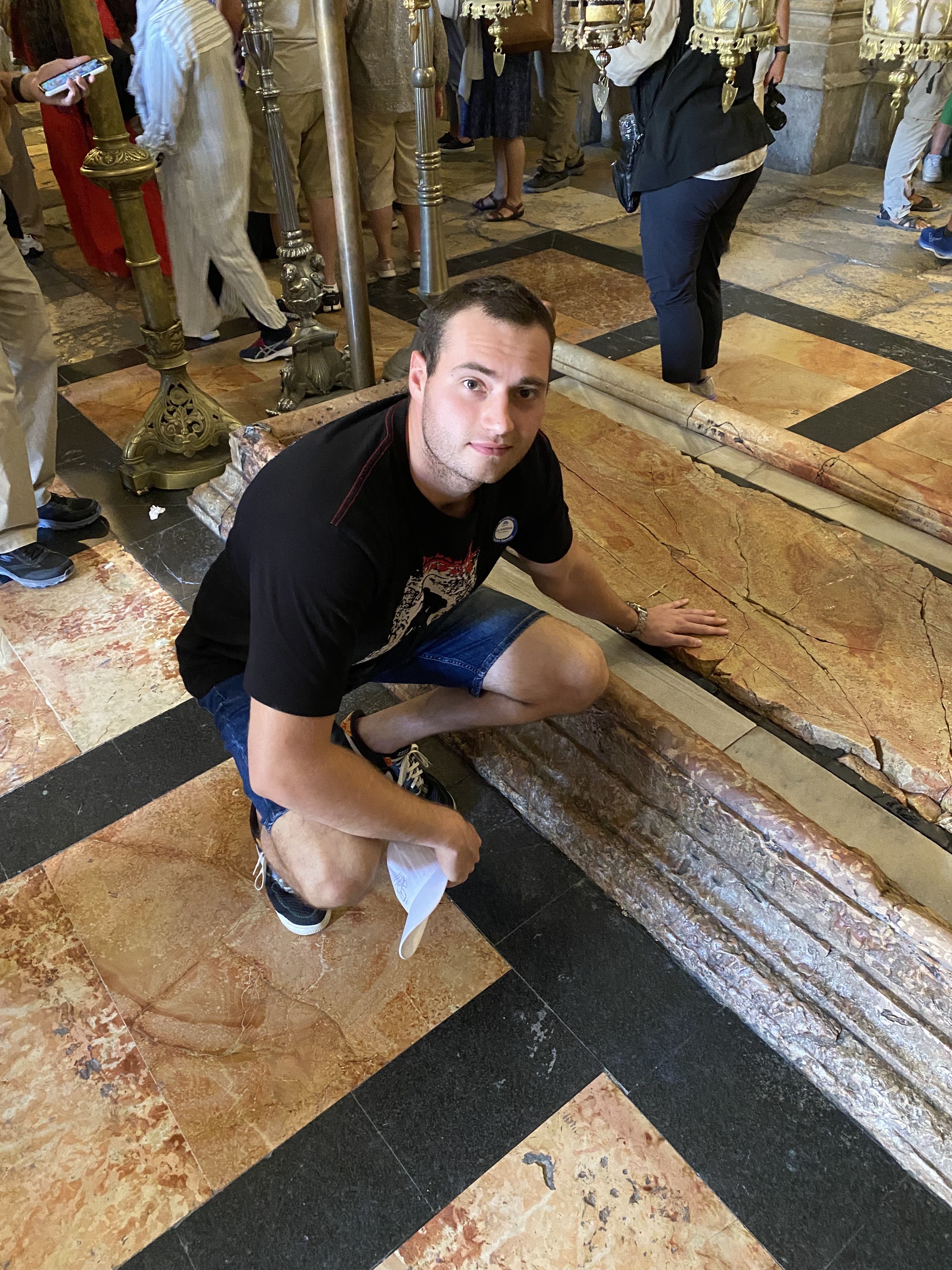
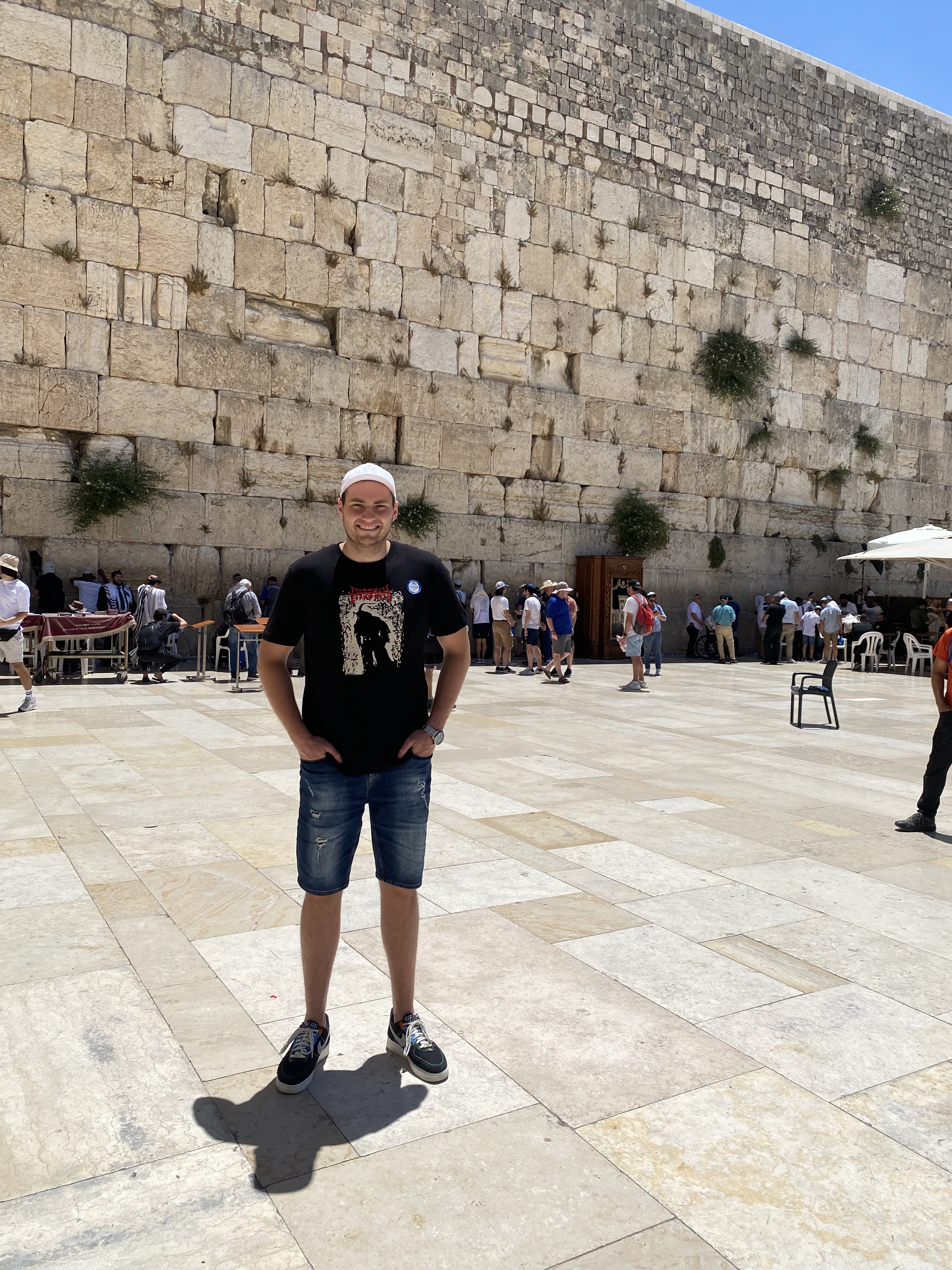
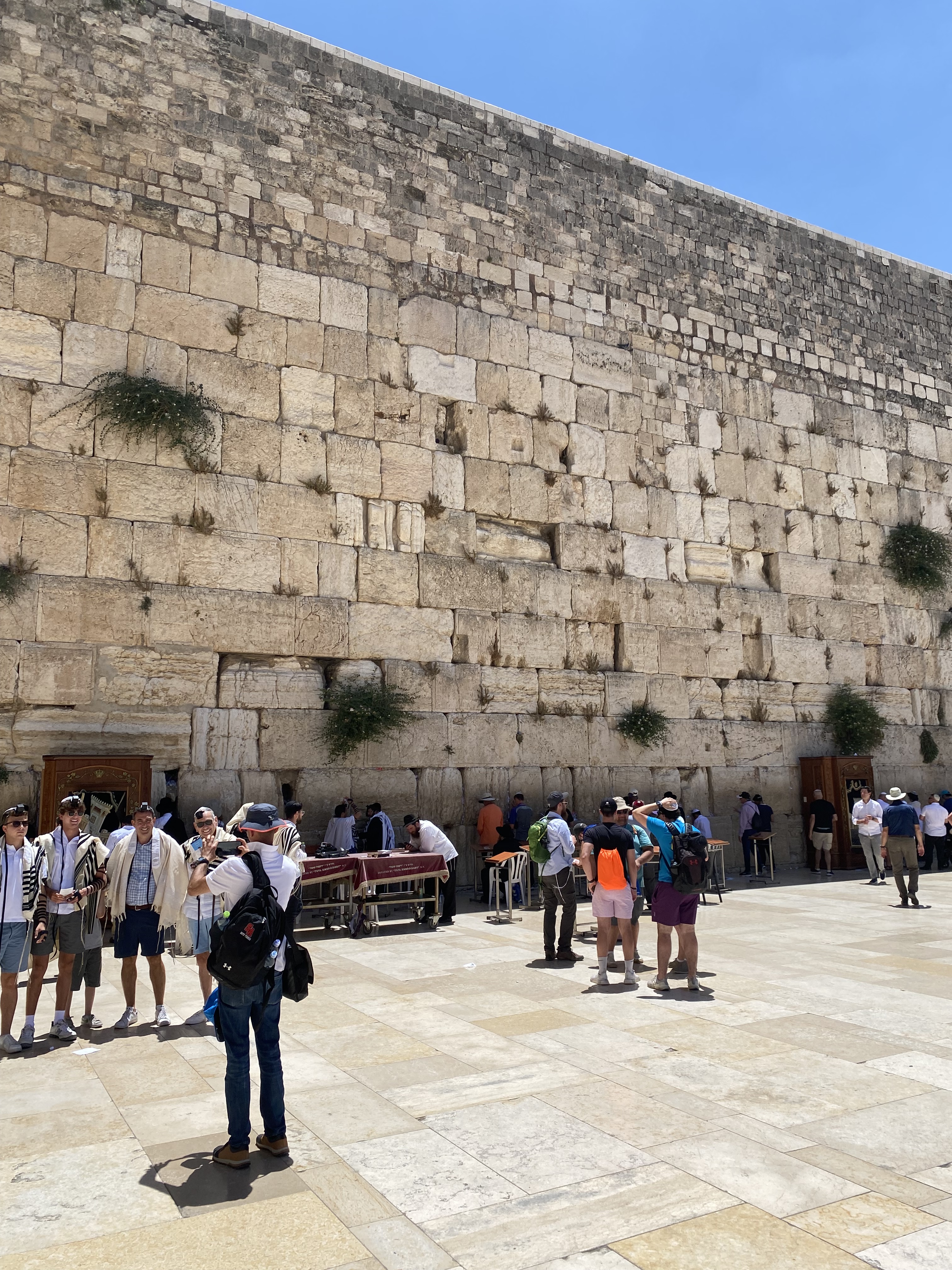
Orthodox Jews form a significant part of Jerusalem’s diverse population, contributing to the city’s vibrant variety of traditions and beliefs. The intertwining of religious, cultural, and historical elements creates a unique spirit in Jerusalem, making it a place where the past and present coalesce. For many, Jerusalem is not merely a city but a living testament to the enduring connection between humanity and the divine, a place where religious fervor and historical resonance converge in a harmonious dance.



Dead Sea (ים המלח)
The Dead Sea, situated at the lowest point on Earth, is a natural wonder that captivates visitors with its unique characteristics. Its famously high salinity, nearly ten times saltier than the average ocean, prevents most aquatic life from thriving, earning it the name “Dead Sea.” The salt concentration is so dense that it allows individuals to effortlessly float on the surface, creating a surreal experience of weightlessness. The mineral-rich mud found along the shores is renowned for its therapeutic properties, drawing people seeking rejuvenation and healing.

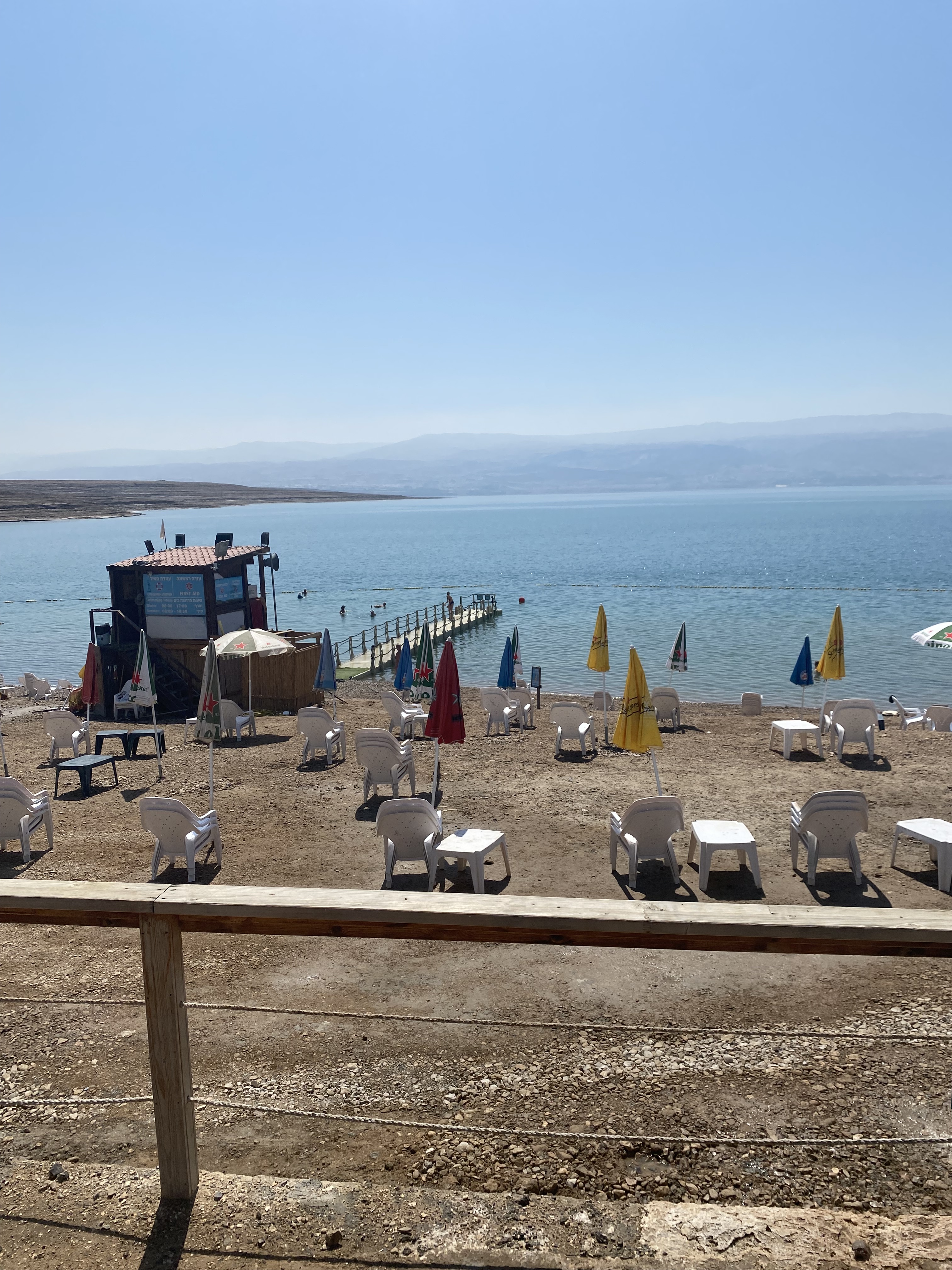
Apart from its floaty waters, the Dead Sea is celebrated for its health assets. The mineral content, including magnesium, potassium, and calcium, has been linked to various health benefits. The mud from the sea is often used in spa treatments for its purported ability to enhance skin health and alleviate conditions such as psoriasis and eczema. The air around the Dead Sea is rich in oxygen and bromine, believed to contribute to respiratory well-being. Many visitors to the Dead Sea find not only a unique recreational experience but also a therapeutic retreat, immersing themselves in the healing properties of this extraordinary natural phenomenon.
Conclusion
In conclusion, the journey through Israel offers an extraordinary exploration of diverse landscapes and a rich cultural borders and time. From the enchanting streets of Tel Aviv to the ancient wonders of Jerusalem, the country weaves a captivating blend of history, spirituality, and modern charm. Iconic landmarks such as the Church of the Holy Sepulchre, the Western Wall, and Al Aqsa Mosque bear witness to the deep-rooted religious significance that permeates the region. Navigating the complexities of the Old City and passing through the separation barrier to Bethlehem underscores the historical endurance and coexistence defining this ancient land. The Dead Sea, with its buoyant waters and therapeutic mud, adds another layer to Israel’s allure, offering a unique blend of recreational and health assets. While Tel Aviv’s vibrant energy may come with a price, the city’s cosmopolitan atmosphere, stunning beaches, and lively cultural scene make it a worthwhile destination.



 Pavle Ristić
Leave a comment