

Even though this headline can serve as a newspaper headline for many political or economic topics, this is not the case this time. Today I am dealing with this topic from a different angle, that of travel. When it comes to travel, Americans seem to have a clear preference for Western Europe over Eastern Europe. Although this is a generalization, it is based on observable trends. If you’re wondering what drives this choice, let’s dive into some of the key factors that make Western Europe a more popular destination for American tourists.
1. Greater Promotion and Media Presence
Western European destinations like Paris, London, and Rome dominate American media, films, and advertisements. These cities are cultural icons, frequently depicted in movies, travel shows, and commercials, which naturally builds a strong allure. The Eiffel Tower, Big Ben, and the Colosseum are instantly recognizable symbols that capture the imagination.
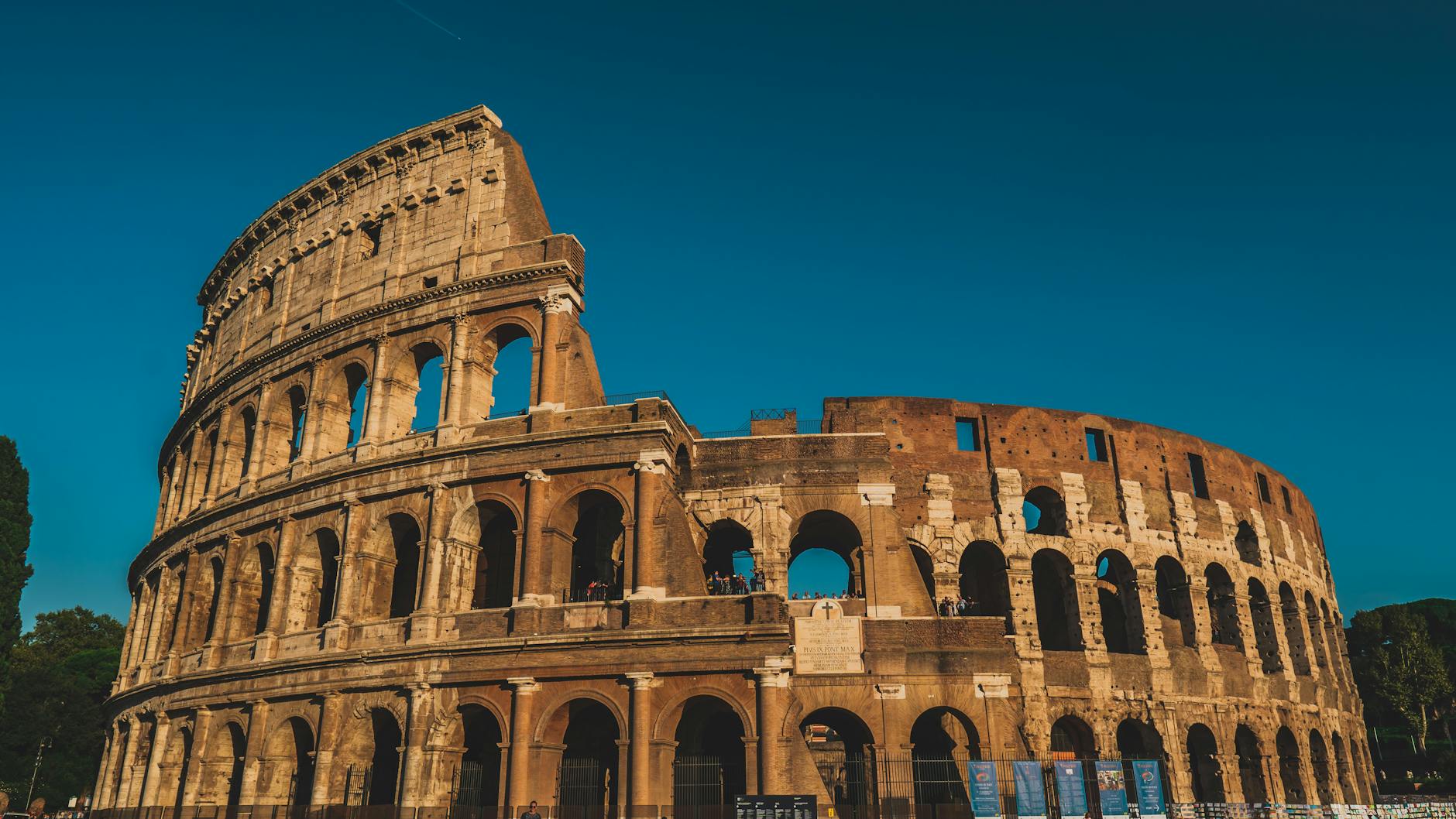
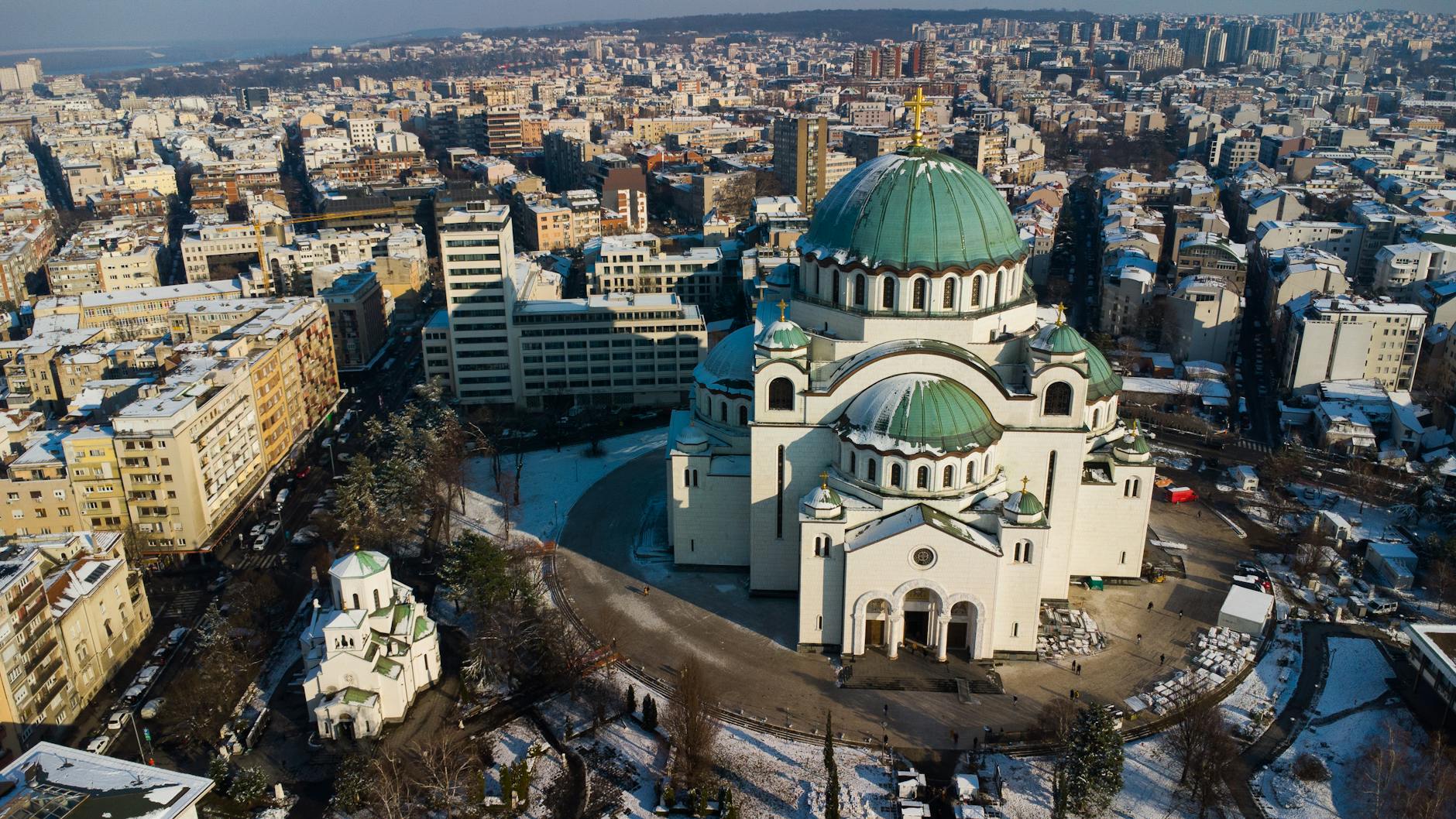
In contrast, Eastern Europe receives much less attention in the media. Cities like Prague, Budapest, and Belgrade, though rich in history and beauty, are not as prominently featured. This lack of promotion means that many Americans are less aware of the attractions and experiences that Eastern Europe has to offer.
2. Perceptions and Stereotypes
Another significant reason is the lingering perceptions and stereotypes associated with Eastern Europe. Despite the region’s progress and modernization, outdated views of Eastern Europe as less developed or even unsafe persist. These stereotypes often stem from the Cold War era, and wars in 1990s where this part of Europe “participated” in every battle that occurred.

On the other hand, Western Europe is seen as more familiar and modern. The comfort of knowing what to expect, combined with the perception of Western Europe as a more developed region, makes it a more attractive option for many American travelers.
3. Language and Cultural Familiarity
Language and cultural similarities also play a crucial role in destination choice. English is widely spoken in many Western European countries, making it easier for American tourists to navigate. Additionally, Western Europe shares many cultural and historical ties with the United States, which can make American travelers feel more comfortable and connected. In contrast, Eastern Europe can present more of a language barrier, which can be intimidating for travelers. While many Eastern Europeans do speak English, it’s not as widespread as in Western Europe, and cultural differences can feel more pronounced.
4. Lack of Knowledge About Eastern Europe
Many Americans simply aren’t familiar with the tourist attractions in Eastern Europe. While destinations like Prague, Budapest, and Dubrovnik are gaining popularity, they still lag behind the well-known landmarks of Western Europe. The rich history, stunning architecture, and vibrant cultures of Eastern Europe are less well-known, which can make these destinations seem less appealing to travelers who are unsure of what to expect.

5. Tourist Infrastructure
Finally, the level of tourist infrastructure in Western Europe is generally more developed. This includes everything from the availability of direct flights and luxury hotels to the presence of English-speaking tour guides. Western Europe’s long history as a tourist hub means that it’s well-equipped to handle large numbers of international visitors, offering a seamless experience that’s especially attractive to American tourists. Eastern Europe is catching up, but in some areas, the tourist infrastructure may still be lacking compared to its western neighbors. This can be a deciding factor for travelers who prioritize convenience and ease of travel.
Let’s Debunk These Myths!
While there are valid points about why Americans might favor Western Europe, it’s essential to recognize that these reasons are increasingly outdated and don’t fully reflect the reality of Eastern Europe today. In fact, many of these arguments don’t hold up under scrutiny. Let’s explore why the common reasons for choosing Western Europe over Eastern Europe are, in many ways, complete nonsense—and why destinations like Serbia are just as safe, welcoming, and worthy of your travel itinerary.
1. Promotion and Media Presence: A Shifting Landscape
It’s true that Western European cities dominate American media, but this trend is changing. The rise of social media, travel blogs, and online platforms has democratized how destinations are promoted. Now, travelers can easily discover the hidden gems of Eastern Europe through Instagram, YouTube, and travel influencers who are showcasing the beauty of cities like Belgrade, Sarajevo, and Sofia.
Furthermore, Eastern European destinations are starting to feature more prominently in mainstream travel guides and publications. The lack of traditional media coverage is no longer a barrier, as more and more Americans are realizing that these destinations offer unique experiences without the overwhelming crowds of Paris or Rome.
2. Perceptions and Stereotypes: Debunking Myths
The outdated perceptions of Eastern Europe as unsafe or less developed are simply not true. Cities like Belgrade, Budapest, and Warsaw are as safe as any major city in Western Europe. Serbia, for example, is known for its low crime rates and hospitable people. Tourists often find that they feel safer and more welcomed in these cities than they might have expected.
Modern Eastern European cities have vibrant nightlife, sophisticated dining scenes, and a rich cultural heritage that rivals any Western European destination. The stereotype of Eastern Europe as backward or dangerous is a relic of the past, and those who travel there often find their expectations pleasantly exceeded.
3. Language and Cultural Familiarity: A Welcoming Environment
While it’s true that English is more widely spoken in Western Europe, this doesn’t mean that Eastern Europe is difficult to navigate. In fact, English proficiency is on the rise in many Eastern European countries, particularly among the younger generation and those working in the tourism industry. In Serbia, for instance, many locals speak English and are eager to help tourists.

Moreover, the cultural differences that might seem intimidating are often what make travel rewarding. Eastern Europe offers a rich tapestry of traditions, cuisines, and histories that are different from what Americans might experience in Western Europe, providing a more authentic and immersive travel experience.
4. Lack of Knowledge About Eastern Europe: The Hidden Gems Await
One of the biggest myths is that there’s nothing to see in Eastern Europe compared to Western Europe. This couldn’t be further from the truth. Eastern Europe is home to stunning architecture, historic sites, and natural beauty that often goes unnoticed by the casual traveler. For example, Serbia offers everything from the vibrant city life of Belgrade to the serene landscapes of the Tara National Park.
The lack of knowledge about Eastern Europe actually works to the advantage of those who do visit. You’re more likely to experience these destinations without the tourist crowds, giving you a more intimate and personal connection to the places you visit.
5. Tourist Infrastructure: Catching Up and Surpassing Expectations
The idea that Eastern Europe lacks the infrastructure of Western Europe is rapidly becoming outdated. While it’s true that some destinations in Eastern Europe may not have the same level of luxury accommodations as Paris or London, many cities have invested heavily in improving their tourism infrastructure. Serbia, for example, has seen a boom in boutique hotels, high-quality restaurants, and modern transportation options.
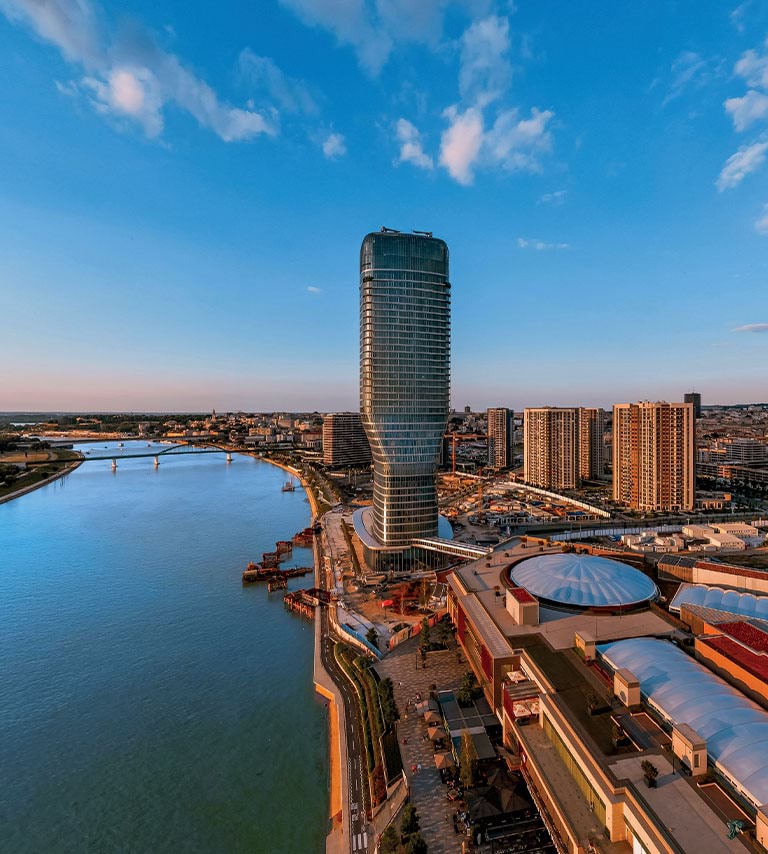
In many cases, the infrastructure in Eastern Europe is more than adequate to meet the needs of travelers. Plus, the region often offers better value for money, with lower costs for accommodations, dining, and activities, making it an attractive option for budget-conscious travelers.
Eastern Europe: The New Frontier for American Travelers
In conclusion, while Western Europe will always have its appeal, Eastern Europe is emerging as a must-visit destination for those looking for something different. The reasons often cited for choosing Western Europe over Eastern Europe are increasingly irrelevant in today’s travel landscape. As more Americans discover the safety, hospitality, and rich experiences that Eastern Europe offers, it’s only a matter of time before destinations like Serbia become as popular as their Western counterparts.
So, the next time you plan a trip across the Atlantic, consider venturing eastward. You might just find that Eastern Europe offers everything you’re looking for—and more.




 Pavle Ristić
Leave a comment