
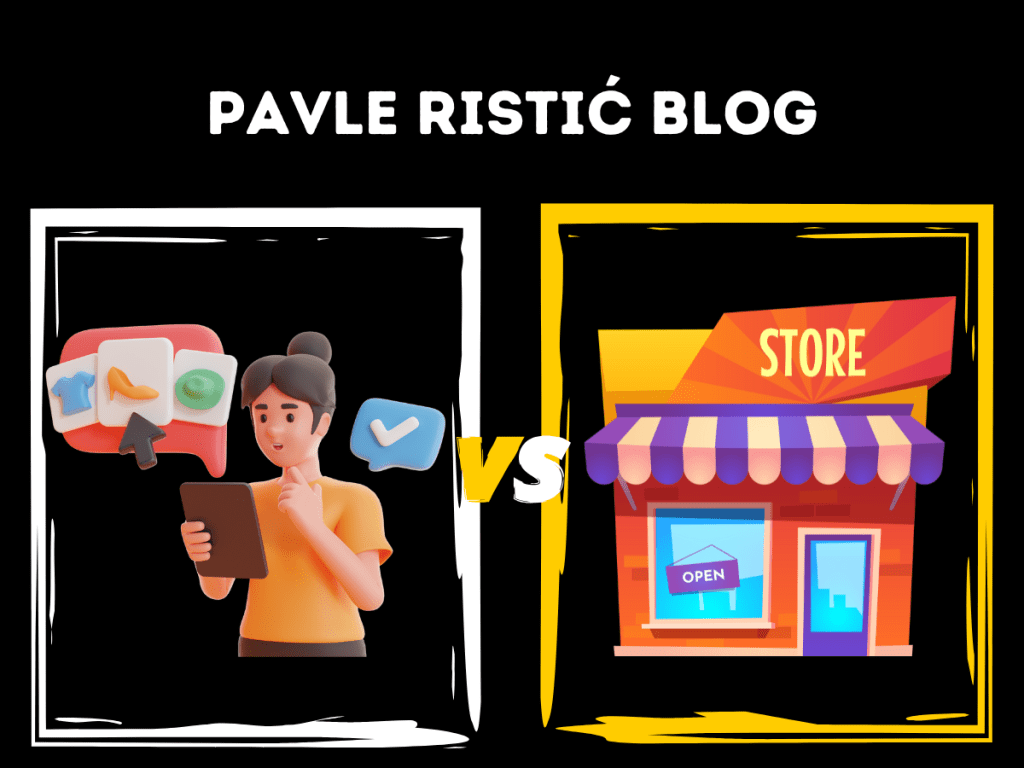
In recent years, we’ve witnessed a massive shift from traditional brick-and-mortar stores to e-commerce. Major companies like Amazon, Walmart, and even legacy brands like Macy’s have embraced the power of online shopping, transforming their business models to meet the demands of today’s digital consumers. These businesses—once focused on in-store sales—have built robust e-commerce platforms that now account for a significant portion of their revenue, setting an example for others aiming to make the leap.
In this post, I’ll break down the key points driving this transformation: the undeniable convenience of online shopping, the broader product ranges, and the unique challenges that come with moving into e-commerce. Whether you’re a business owner considering this shift or simply interested in how retail is evolving, I’ll walk through the main elements of what makes e-commerce so powerful and the factors that contribute to a successful transition.

The Appeal of E-commerce: Why Shoppers Love It
1. Convenience at Your Fingertips
E-commerce brings the store to the consumer, offering the freedom to shop 24/7 without leaving home. Whether it’s late at night or during a lunch break, online stores are open and accessible, fitting perfectly into busy lifestyles.
2. Access to a Wider Product Range
With e-commerce, customers have access to a vast inventory, often broader than what’s available in physical stores. This range, combined with category filters, allows customers to find products tailored to their tastes and needs from across the globe.
3. Easy Price Comparison
Shopping online makes it simple to compare prices, giving consumers a better chance to find the best deals. Many websites aggregate product options and prices, putting cost-saving power directly in the hands of the shopper.
4. Personalized Shopping Experiences
E-commerce platforms often leverage algorithms to tailor product recommendations, creating a shopping experience unique to each customer. This personalization helps customers discover new products that align with their preferences, enhancing customer satisfaction and loyalty.

Challenges in the Transition to E-commerce
While the rise of e-commerce is exciting, transitioning from brick-and-mortar to online retail is not without its challenges. Here are some obstacles businesses often face:
1. Logistics and Shipping
Ensuring efficient order fulfillment and timely delivery is crucial to customer satisfaction in e-commerce. This requires careful coordination with reliable shipping partners, particularly when expanding globally, where shipping expectations and regulations can vary widely.
2. Online Customer Service
Without face-to-face interaction, maintaining strong customer service becomes more complex. Handling online inquiries, addressing concerns, and managing returns demand robust, responsive customer service channels that can quickly meet the needs of digital customers.
3. Building a Strong Online Brand Identity
Transitioning to e-commerce requires creating a recognizable and trustworthy online presence. Establishing brand personality, values, and consistency across websites, social media, and marketing channels is essential to stand out in a competitive market.
4. Security and Trust
Online transactions require robust security measures to protect sensitive customer data, like payment information. Earning customers’ trust by using secure payment gateways and transparent privacy policies is essential to gain and retain a loyal customer base.
Benefits of E-commerce for Businesses
For businesses, moving online offers significant advantages:
1. Lower Overhead Costs
E-commerce reduces the need for large retail spaces and staff, which decreases rent, utilities, and other expenses. This cost-saving can be reinvested into technology and marketing efforts, improving the customer experience and enhancing the business’s reach.
2. Access to a Global Market
Online platforms remove geographical barriers, opening up markets worldwide. This global reach allows businesses to expand their customer base, fostering brand recognition in previously untapped regions.
3. Data-Driven Insights
Online sales generate a wealth of customer data, from browsing habits to purchasing behaviors. Businesses can leverage these insights to tailor strategies, forecast demand, and improve product offerings.
4. Flexibility and Scalability
E-commerce businesses can quickly adapt to changing market demands, such as by introducing new products or scaling up during peak seasons. This agility helps businesses remain relevant in dynamic markets and stay competitive with emerging trends.
One of the ways for beginners to start with their e-commerce stores with lower rates is Amazon Business.

Tips for a Successful Transition to E-commerce
For businesses planning to shift from in-store to online sales, a few strategic steps can ease the transition:
1. Build a User-Friendly Website
An easy-to-navigate website with mobile optimization is essential. Ensure customers can easily find products, view descriptions, and make purchases from any device, and include an intuitive checkout process to reduce abandoned carts.
2. Implement Strong Online Marketing
Develop a marketing strategy that includes search engine optimization (SEO), social media presence, and email marketing. Consistent, targeted marketing helps businesses reach new customers and engage existing ones.
3. Use Secure Payment Gateways
Choosing secure payment gateways that protect customer information is critical to building trust. Look for systems that comply with data protection standards and communicate these safeguards to customers.
4. Maintain Efficient Inventory Management
Keeping track of stock levels is essential to avoid both stockouts and overstocks. Inventory management software can help streamline the process and ensure products are available when customers need them.
5. Provide Excellent Customer Service
Prompt and helpful responses to customer inquiries or issues can set a brand apart in e-commerce. Live chat options, detailed FAQs, and accessible contact information can go a long way in making online shopping a positive experience.

The Future of E-commerce: Adapting to a Digital-First World
As we move toward a digital-first retail landscape, e-commerce continues to grow in importance. Businesses that successfully transition to online platforms can benefit from the flexibility, reach, and customer insights that e-commerce offers. By addressing the challenges and capitalizing on the advantages, companies can not only survive but thrive in this digital age.
Tailoring the approach to your specific audience, industry, and goals is key. For those navigating this shift, these steps provide a solid foundation for establishing an effective, sustainable online presence.



 Pavle Ristić
Leave a comment